


Canada Border: A Comprehensive Guide To Crossing, Regulations, And Customs
Editor's Notes: "Canada Border: A Comprehensive Guide To Crossing, Regulations, And Customs" have published today. As travel restrictions are starting to loosen, we know many people are eager to get away. If you're planning a trip to Canada, it's important to be aware of the rules and regulations surrounding border crossings. This guide will provide you with everything you need to know about crossing the Canadian border, including the required documentation, prohibited items, and duty-free allowances.
We've done the research and dug into the details, so you can have all the information you need in one place. This guide covers everything from the basics of crossing the border to more complex topics like duty-free allowances and prohibited items.
Our goal is to make sure you have a smooth and hassle-free border crossing experience. So whether you're a first-time traveler or a seasoned pro, this guide is essential reading.
We hope this guide will help you make the most of your trip to Canada!
Key Differences or Key Takeaways:
| Canada Border: A Comprehensive Guide To Crossing, Regulations, And Customs | Other Travel Guide |
|---|---|
| Provides comprehensive information on crossing the Canadian border, including the required documentation, prohibited items, and duty-free allowances. | May not provide as much detail on specific topics, such as duty-free allowances or prohibited items. |
| Written by experts with first-hand knowledge of the Canadian border crossing process. | May not be written by experts or may rely on outdated information. |
| Up-to-date and accurate, as it is regularly updated to reflect changes in regulations and procedures. | May not be up-to-date or may not reflect the latest changes in regulations and procedures. |
Transition to main article topics:
This guide will cover the following topics:
- Required documentation for crossing the border
- Prohibited items
- Duty-free allowances
- Border crossing procedures
- Tips for a smooth border crossing
FAQ
This comprehensive FAQ section aims to address common concerns, clarify regulations, and provide guidance on crossing the Canada border. By exploring these frequently asked questions, individuals can gain valuable insights and navigate the border crossing process with ease.
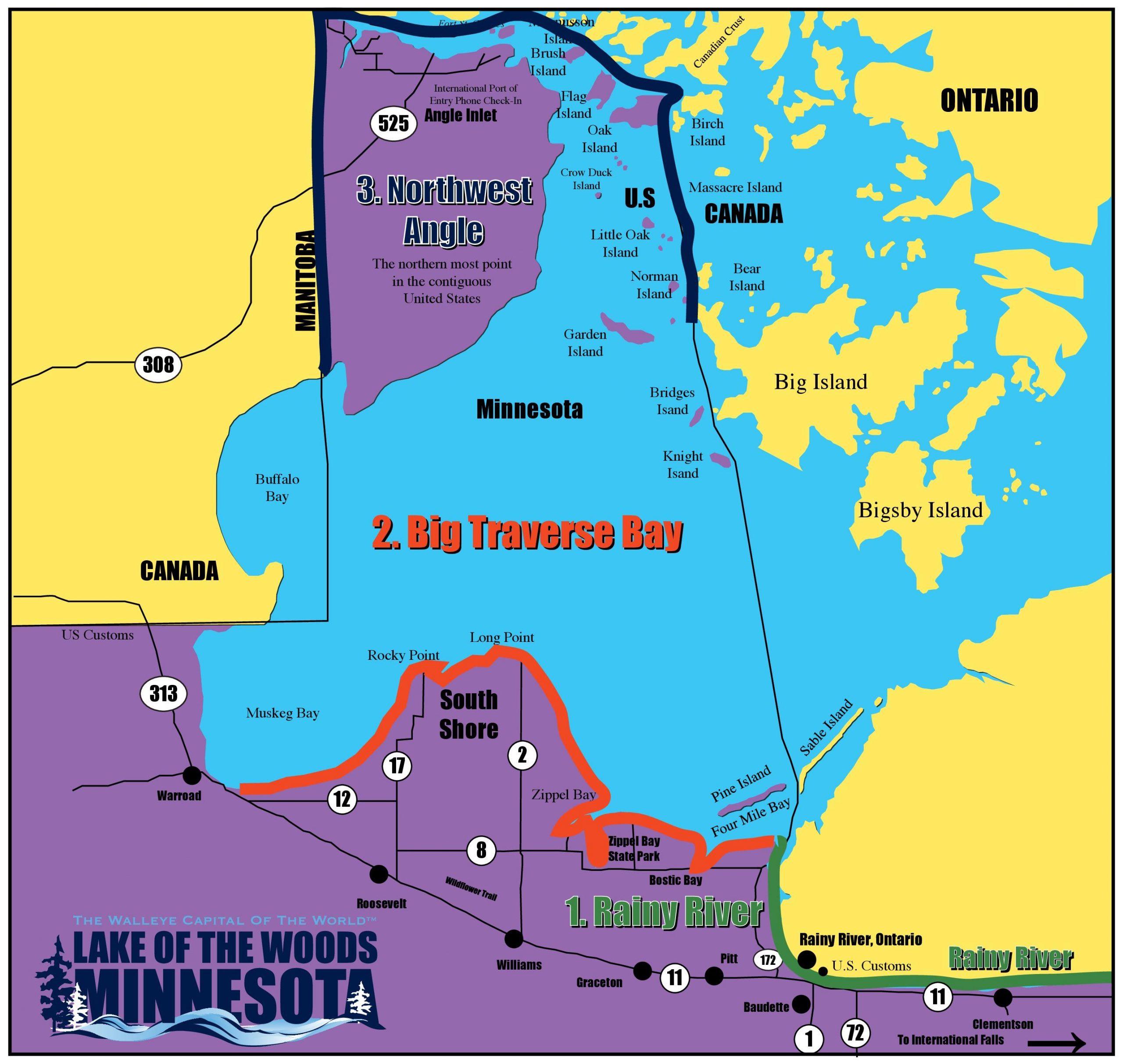
Border crossing and new Ontario fishing regulations - Source lakeofthewoodsmn.com
Question 1: What is the best time to cross the border?
To avoid lengthy wait times, consider crossing during off-peak hours, such as early morning or late evening. Weekdays are generally less busy than weekends.
Question 2: Are certain items prohibited from crossing the border?
Yes, there are restrictions on certain items, including weapons, illegal drugs, and perishable foods. It's important to familiarize yourself with the prohibited items list to ensure a smooth crossing.
Question 3: Do Canadian border officials ask about criminal records?
Yes, border officials may inquire about criminal history. It's crucial to provide honest and accurate information to facilitate the entry process.
Question 4: What documents are required to cross the border?
For a standard border crossing, you will need a valid passport or other acceptable travel document. If entering for purposes other than tourism, ensure you have the necessary visas or permits.
Question 5: Can I bring currency across the border?
Yes, you can transport currency across the border. However, amounts exceeding CAD$10,000 or its equivalent in foreign currency must be declared to the Canada Border Services Agency.
Question 6: What is the process for duty-free shopping?
If you've made duty-free purchases, you must declare them upon entry into Canada. You'll receive a receipt that must be presented to customs to avoid duties and taxes.
Remember, regulations can change, so always refer to official sources for the most up-to-date information. By following these guidelines, individuals can ensure a seamless and compliant border crossing experience.
Transition to the next article section: For further insights, explore our comprehensive guide on Canada border regulations and customs.

Busy Border Crossing between US and Canada. Editorial Stock Photo - Source www.dreamstime.com
Tips
Preparation and awareness are crucial for a smooth border crossing experience. Here are some tips to help travelers navigate this process effectively:Canada Border: A Comprehensive Guide To Crossing, Regulations, And Customs
Tip 1: Verify Travel Documents
Check the validity and expiration dates of your passport, visa (if applicable), and other required documents. Ensure they are in good condition and meet the entry requirements for Canada.
Tip 2: Declare Goods Honestly
Accurately declare all items you are bringing into Canada, including gifts, souvenirs, and currency. Failure to disclose prohibited or restricted items can result in penalties or seizures.
Tip 3: Know your Allowances
Familiarize yourself with the allowable quantities for duty-free goods, such as alcohol and tobacco products. Exceeding these limits may incur additional charges or confiscation.
Tip 4: Respect Customs Officers
Be polite and cooperative with customs officers. Answer their questions honestly and provide any requested documentation. Uncooperative or disrespectful behavior can delay or hinder your crossing.
Tip 5: Pack Smart
Organize your belongings and keep necessary documents readily accessible. Separate valuables from restricted items to facilitate inspection and avoid unnecessary delays.
Canada Border: A Comprehensive Guide To Crossing, Regulations, And Customs
Navigating the Canadian border requires an understanding of essential aspects involving crossing procedures, regulations, and customs. These key elements ensure a smooth and compliant entry into the country.
- Documentation: Required travel documents such as passports, visas, and proof of citizenship.
- Declaration: Accurate disclosure of goods, currency, and other items carried.
- Inspection: Potential physical or baggage examination by border officials.
- Restrictions: Prohibition or limitations on certain items, including firearms, narcotics, and agricultural products.
- Fees: Applicable charges for processing certain documents or entering the country.
- Consequences: Penalties and legal actions for non-compliance with border regulations.
For instance, failing to declare a firearm can result in its seizure and potential charges. It is crucial to familiarize oneself with these aspects to avoid delays, legal issues, or penalties. Understanding border crossing regulations and customs promotes a secure and efficient entry into Canada.
/canadaborder-052092c799b64b2995894b596cbc4f3f.jpg "Common Questions About Crossing the Canada Border")
Common Questions About Crossing the Canada Border - Source www.tripsavvy.com
Canada Border: A Comprehensive Guide To Crossing, Regulations, And Customs
Navigating Canada's border crossings can be a complex process, requiring an understanding of regulations and customs procedures. This comprehensive guide provides essential information for seamless crossings, covering documentation requirements, prohibited items, and tips for efficient processing.
Grade Crossing Regulations | Railway Association of Canada - Source www.railcan.ca
Failure to adhere to border regulations can result in delays, fines, or denied entry. By familiarizing oneself with the specific requirements for crossing into Canada, travelers can avoid potential issues and ensure a smooth and compliant border experience.
Understanding the various customs policies, including duty-free allowances and restrictions on certain goods, is crucial for hassle-free crossings. The guide offers practical tips to help travelers minimize delays and declare items accurately.
Key insights gained from this exploration include the importance of thorough preparation, the need for adherence to regulations, and the benefits of being aware of customs policies. By following the guidelines outlined in this guide, travelers can minimize potential challenges and optimize their border crossing experience.
