


Chlorure De Vinyle: Properties, Uses, And Safety Precautions For Industrial Applications
Editor's Notes: "Chlorure De Vinyle: Properties, Uses, And Safety Precautions For Industrial Applications" have published today date". Given the importance of "Chlorure De Vinyle: Properties, Uses, And Safety Precautions For Industrial Applications", we have made some analysis and digging information, made "Chlorure De Vinyle: Properties, Uses, And Safety Precautions For Industrial Applications" we put together this "Chlorure De Vinyle: Properties, Uses, And Safety Precautions For Industrial Applications" guide to help target audience make the right decision.
Key differences or Key takeways:
Transition to main article topics:
Modèle moléculaire de la molécule de chlorure de sodium (NaCl - Source www.alamyimages.fr
FAQs
This FAQ section provides answers to common questions and misconceptions regarding vinyl chloride, its properties, and safety precautions required for industrial applications. Understanding these aspects is crucial to ensure the safe and efficient use of vinyl chloride in various industrial processes.
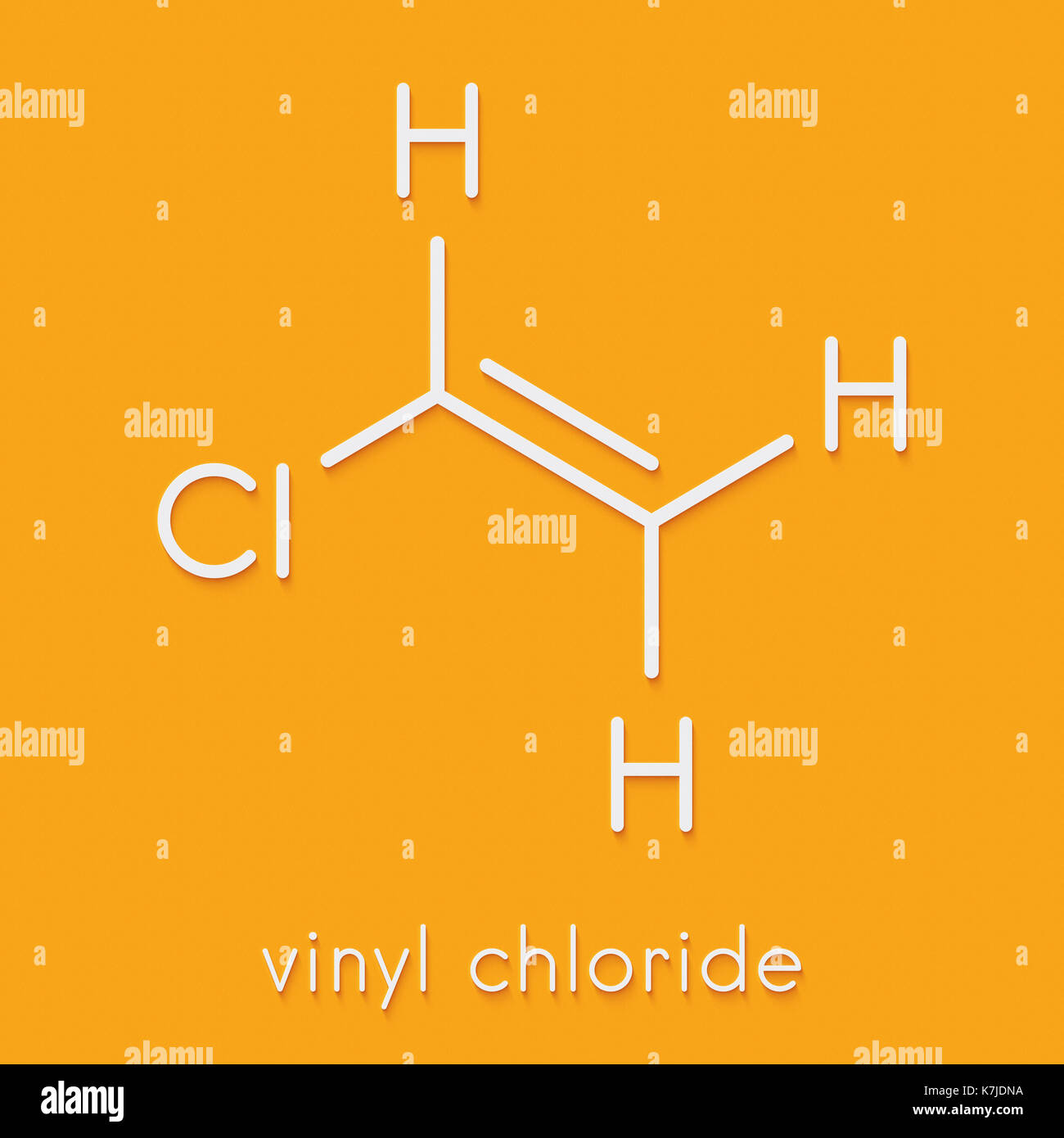
Le chlorure de vinyle, le chlorure de polyvinyle (PVC) building block - Source www.alamyimages.fr
Question 1: What are the physical properties of vinyl chloride?
Vinyl chloride is a colorless gas with a faint, sweet odor. It is highly flammable and has a boiling point of -13.4°C and a melting point of -153.8°C. Vinyl chloride is soluble in water, alcohols, and ethers.
Question 2: What are the main uses of vinyl chloride?
Vinyl chloride is primarily used as a monomer in the production of polyvinyl chloride (PVC), a versatile plastic material. PVC is widely used in the construction, automotive, and packaging industries due to its durability, resistance to chemicals, and low cost.
Question 3: What safety precautions should be taken when working with vinyl chloride?
Due to its toxicity and flammability, vinyl chloride requires strict safety protocols. Proper ventilation is essential to prevent the accumulation of vapors, and workers should wear appropriate personal protective equipment, including respirators, gloves, and protective clothing.
Question 4: How can vinyl chloride exposure be minimized?
Minimizing exposure to vinyl chloride involves implementing engineering controls such as local exhaust ventilation and process enclosures. Regular monitoring of air quality is crucial to ensure compliance with exposure limits. Workers should also follow safe work practices, such as avoiding direct contact with the substance and promptly reporting any spills or leaks.
Question 5: What are the potential health effects of vinyl chloride exposure?
Exposure to vinyl chloride can cause a range of health problems, including acute effects such as dizziness, nausea, and respiratory irritation. Chronic exposure has been linked to liver damage, cancer, and reproductive issues. It is classified as a human carcinogen by several regulatory agencies.
Question 6: How is vinyl chloride regulated?
Vinyl chloride is subject to regulations and standards set by various government agencies and industry organizations worldwide. These regulations cover aspects such as exposure limits, safe handling practices, and emergency response measures. Compliance with these regulations is essential to protect workers and the environment.
In summary, vinyl chloride is a versatile industrial chemical used in the production of PVC. It is crucial to understand its properties, uses, and safety precautions to ensure the safe and responsible handling of this substance in industrial applications. Adhering to established regulations and implementing proper safety measures minimize the risks associated with vinyl chloride exposure.
Refer to the main article for more comprehensive information on vinyl chloride, its applications, and safety considerations.
Tips
For organizations that make use of Chlorure De Vinyle: Properties, Uses, And Safety Precautions For Industrial Applications, there are tips to ensure the correct handling, storage, and use of this material.
Tip 1: Understand the Properties of Vinyl Chloride
Getting to know the physical and chemical properties of vinyl chloride is key for its safe handling, such as being a colorless flammable gas with a faint sweet odor and its boiling point being -13.4 degrees Celsius.
Tip 2: Store Vinyl Chloride Properly
Store vinyl chloride in cool, dry, and well-ventilated areas away from heat sources and incompatible materials. Keep containers tightly closed when not in use.
Tip 3: Use Appropriate Safety Equipment
When working with vinyl chloride, wear appropriate personal protective equipment (PPE) such as gloves, eye protection, and respirators. Avoid skin and eye contact.
Tip 4: Monitor Work Area
Continuously monitor the work area for vinyl chloride leaks or spills using appropriate detection equipment. Ensure adequate ventilation to prevent the accumulation of vapors.
Tip 5: Train Employees
Provide comprehensive training to employees on the safe handling, storage, and use of vinyl chloride. Ensure they understand the associated hazards, emergency procedures, and proper PPE usage.
Tip 6: Handle Spills and Leaks Promptly
In case of a spill or leak, evacuate the area, ventilate it, and contact the appropriate authorities. Use absorbent materials to contain the spill and prevent its spread.
Tip 7: Dispose of Vinyl Chloride Waste Properly
Dispose of vinyl chloride waste in accordance with local and national regulations. Incineration or controlled landfill disposal are typically used methods.
Tip 8: Plan for Emergencies
Develop and implement an emergency response plan that outlines procedures for spills, leaks, fires, and other potential incidents involving vinyl chloride. Conduct regular drills to ensure preparedness.
Following these tips can help organizations mitigate risks and enhance safety when working with vinyl chloride.
Chlorure De Vinyle: Properties, Uses, And Safety Precautions For Industrial Applications
Chlorure de vinyle, also known as vinyl chloride monomer (VCM), is a crucial industrial chemical widely used in various applications. Its unique properties, diverse uses, and essential safety considerations demand attention for the responsible handling of this versatile compound.
- Properties: Colorless gas, highly flammable, toxic
- Uses: Polyvinyl chloride (PVC) production, adhesives, plastic products
- Safety: Carcinogen, proper ventilation, protective gear
- Environmental: Toxic to aquatic life, air pollution
- Storage: Pressurized containers, low temperatures
- Monitoring: Regular air quality checks, employee exposure monitoring
The aforementioned key aspects provide a comprehensive understanding of chlorure de vinyle. Its toxic nature emphasizes the paramount importance of stringent safety measures, including proper ventilation, personal protective equipment, and regular monitoring. Moreover, storage and handling guidelines must be strictly adhered to to prevent accidents and environmental pollution. The responsible use of this vital industrial chemical ensures the safety of both workers and the surrounding environment.

Printable Safety Posters - S.oldvictheatre.com - Source s.oldvictheatre.com
Chlorure De Vinyle: Properties, Uses, And Safety Precautions For Industrial Applications
Chlorure de vinyle, also known as vinyl chloride, is a colorless gas with a sweet odor. It is a highly flammable and toxic substance that is used in the production of polyvinyl chloride (PVC). PVC is a versatile plastic that is used in a wide range of products, including pipes, flooring, and siding.

Exploring the Versatility of Dry Ice: №1 Benefits, Uses, and Safety - Source medium.com
The properties of chlorure de vinyle make it an ideal material for industrial applications. It is a strong and durable material that is resistant to corrosion and weathering. It is also lightweight and easy to work with, making it a cost-effective choice for many applications.
However, the toxicity of chlorure de vinyle also poses a number of safety concerns. Inhalation of chlorure de vinyle can cause dizziness, nausea, and vomiting. Prolonged exposure can lead to liver damage, kidney damage, and cancer. It is important to take proper safety precautions when working with chlorure de vinyle, including wearing appropriate personal protective equipment and ensuring adequate ventilation.
Despite the safety concerns, chlorure de vinyle is an important material for industrial applications. It is a versatile and cost-effective material that is used in a wide range of products. By taking proper safety precautions, it is possible to work with chlorure de vinyle safely and effectively.
| Property | Value |
|---|---|
| Molecular weight | 62.50 |
| Melting point | -153.8 °C |
| Boiling point | -13.4 °C |
| Density | 0.91 g/cm3 |
| Vapor pressure | 267 kPa at 20 °C |
Conclusion
Chlorure de vinyle is a versatile and cost-effective material that is used in a wide range of industrial applications. However, it is also a toxic substance that poses a number of safety concerns. By taking proper safety precautions, it is possible to work with chlorure de vinyle safely and effectively.
The continued use of chlorure de vinyle is essential for the production of PVC, which is a valuable material for a variety of applications. However, it is important to remain vigilant about the safety risks associated with chlorure de vinyle and to take all necessary precautions to protect workers and the environment.
