


Colonisation: Une Histoire Française - Exploring The Legacy Of French Colonialism is a deep and thought-provoking examination of France's colonial past and its present-day implications that should not be missed, especially by those interested in history, post-colonial studies, or international relations.
Editor's Notes: "Colonisation: Une Histoire Française - Exploring The Legacy Of French Colonialism" have published in date
and it is a critical and necessary read, shedding light on a complex and often controversial period in French history. By exploring the legacy of French colonialism, this book aims to foster a better understanding of the present-day consequences of colonialism and its enduring impact on both France and its former colonies.
Through painstaking analysis and extensive research, the authors of Colonisation: Une Histoire Française - Exploring The Legacy Of French Colonialism provide a comprehensive account of French colonialism, from its origins in the 16th century to its eventual decline in the 20th century. The book covers a wide range of topics, including the economic, political, social, and cultural impact of colonialism on both France and its colonies.
One of the key strengths of Colonisation: Une Histoire Française - Exploring The Legacy Of French Colonialism is its balanced and nuanced approach to the topic. The authors avoid simplistic generalizations and instead present a complex and multifaceted view of French colonialism. They acknowledge the positive aspects of French colonialism, such as the introduction of modern infrastructure and education in some colonies. However, they also frankly discuss the negative consequences of colonialism, such as the exploitation of local resources, the suppression of indigenous cultures, and the use of violence.
Colonisation: Une Histoire Française - Exploring The Legacy Of French Colonialism is a valuable resource for anyone who wants to understand the complex history of French colonialism and its impact on the world today. The book is well-written and accessible to a wide range of readers, making it an excellent choice for students, scholars, and general readers alike.
FAQ
This section aims to answer frequently asked questions about the legacy of French colonialism. The responses are based on historical research and expert analysis.

Jaquette DVD de Une Histoire de Fou - Cinéma Passion - Source cinemapassion.com
Question 1: What are the main impacts of French colonialism on the countries it colonised?
French colonialism had significant and multifaceted impacts on its colonies. These include the introduction of Western political, economic, and social systems, the exploitation of resources, and the displacement and assimilation of indigenous populations.
Question 2: How has France addressed its colonial past?
France has taken various steps to address its colonial past, including official apologies, reparations programs, and the establishment of historical commissions. However, debates and controversies regarding colonial legacy and its ongoing effects persist.
Question 3: What is the role of former colonies and their citizens in shaping the discourse on French colonialism?
Former colonies and their citizens play a crucial role in shaping the discourse on French colonialism. Their voices, experiences, and perspectives provide valuable insights into the lasting consequences and the need for reconciliation and decolonization.
Question 4: How does French colonialism continue to influence contemporary global issues?
The legacy of French colonialism continues to shape contemporary global issues, such as post-colonial conflicts, economic inequalities, and debates on cultural identity. Understanding its historical context is essential for fostering international cooperation and addressing the enduring effects of colonialism.
Question 5: What can be learned from the French colonial experience for other post-colonial nations?
The French colonial experience holds lessons for other post-colonial nations. It highlights the importance of reconciliation, the recognition of indigenous rights, and the need for inclusive dialogue and policies to address the legacies of colonialism.
Question 6: What are the key challenges and opportunities in decolonizing French society and its institutions?
Decolonizing French society and its institutions involves recognizing and addressing historical injustices, promoting diversity and inclusion, and transforming power structures. It is an ongoing process that requires collaboration, education, and a commitment to creating a more just and equitable society.
By reflecting on these questions and their answers, we gain a deeper understanding of the complexities and enduring impacts of French colonialism. It is through this process that we can work towards reconciliation, redress past wrongs, and build a more inclusive and equitable future.
Explore the next section:
Tips
This documentary, Colonisation: Une Histoire Française - Exploring The Legacy Of French Colonialism, provides viewers with a deep insight into a complex and often overlooked area of history. Beyond the main narrative, the film also offers valuable tips for navigating the complexities of colonialism's legacy.
Tip 1: Understand the Context
Colonialism is a complex and multifaceted phenomenon. Unraveling its impacts requires a strong foundation in the historical, political, and economic contexts that shaped it. This includes understanding the motivations of colonizers, the experiences of colonized peoples, and the broader global forces at play.
Tip 2: Recognize Multiple Perspectives
The legacy of colonialism is not monolithic. Different groups and individuals have experienced it in vastly different ways. To truly grasp the full picture, it is essential to seek out and listen to diverse perspectives, including those of former colonizers, colonized peoples, and contemporary scholars.
Tip 3: Examine Ongoing Impacts
The effects of colonialism extend far beyond the colonial period. Its legacy continues to shape contemporary societies in numerous ways, from political structures and economic inequalities to cultural practices and social identities. By examining these ongoing impacts, we can better understand the complexities of colonialism's aftermath.
Tip 4: Seek Out Different Sources
Diverse perspectives require diverse sources. Don't limit yourself to a single narrative or viewpoint. Explore a wide range of sources, including historical documents, literary works, films, and academic research. This will provide a more comprehensive understanding of colonialism's complexities.
Tip 5: Confront Uncomfortable Truths
Confronting the uncomfortable realities of colonialism is crucial for reconciliation and healing. Acknowledge the suffering, injustice, and violence that occurred during this period. By doing so, we can work towards a more just and equitable future.
Tip 6: Foster Dialogue and Understanding
Open and respectful dialogue is essential for building bridges and fostering understanding between different perspectives. Engage in conversations about colonialism's legacy, listen attentively to others' experiences, and seek common ground. This dialogue can lead to empathy, reconciliation, and a shared commitment to addressing its ongoing impacts.
Tip 7: Support Anti-Colonial Movements
The fight against colonialism is ongoing. Support organizations and movements working to address the legacy of colonialism and promote social justice. This can involve supporting indigenous rights, advocating for reparations, or engaging in educational campaigns. By lending our support, we can contribute to a more just and equitable world.
Tip 8: Promote Education and Awareness
Education is key to challenging colonial narratives and promoting a more inclusive understanding of history. Support educational initiatives that teach about colonialism's complexities and its ongoing impacts. Encourage open discussions and critical thinking in classrooms, museums, and public spaces. By raising awareness, we can empower future generations to address the legacy of colonialism and build a more just and equitable society.
These tips can help equip individuals with the knowledge, understanding, and tools to engage critically with the legacy of colonialism. By following these recommendations, we can contribute to a more just and equitable future, free from the burdens of the past.
Colonisation: Une Histoire Française - Exploring The Legacy Of French Colonialism
The exploration of French colonialism encompasses a complex tapestry of historical, political, and cultural dimensions. This article delves into six key aspects that unravel the legacy of "Colonisation: Une Histoire Française."
- Political Dominance: Establishing control over territories through military conquests and economic exploitation.
- Cultural Assimilation: Promoting French language, culture, and education to shape colonial identities.
- Economic Exploitation: Extracting resources, establishing plantations, and developing infrastructure for the benefit of the colonizing power.
- Resistance and Independence: Struggles for independence by colonized peoples, often leading to violent conflicts.
- Postcolonial Legacies: The lasting effects of colonialism on former colonies, including political instability, economic dependency, and cultural tensions.
- Historical Memory: The ongoing debates and contestations over the interpretation and remembrance of colonial history.
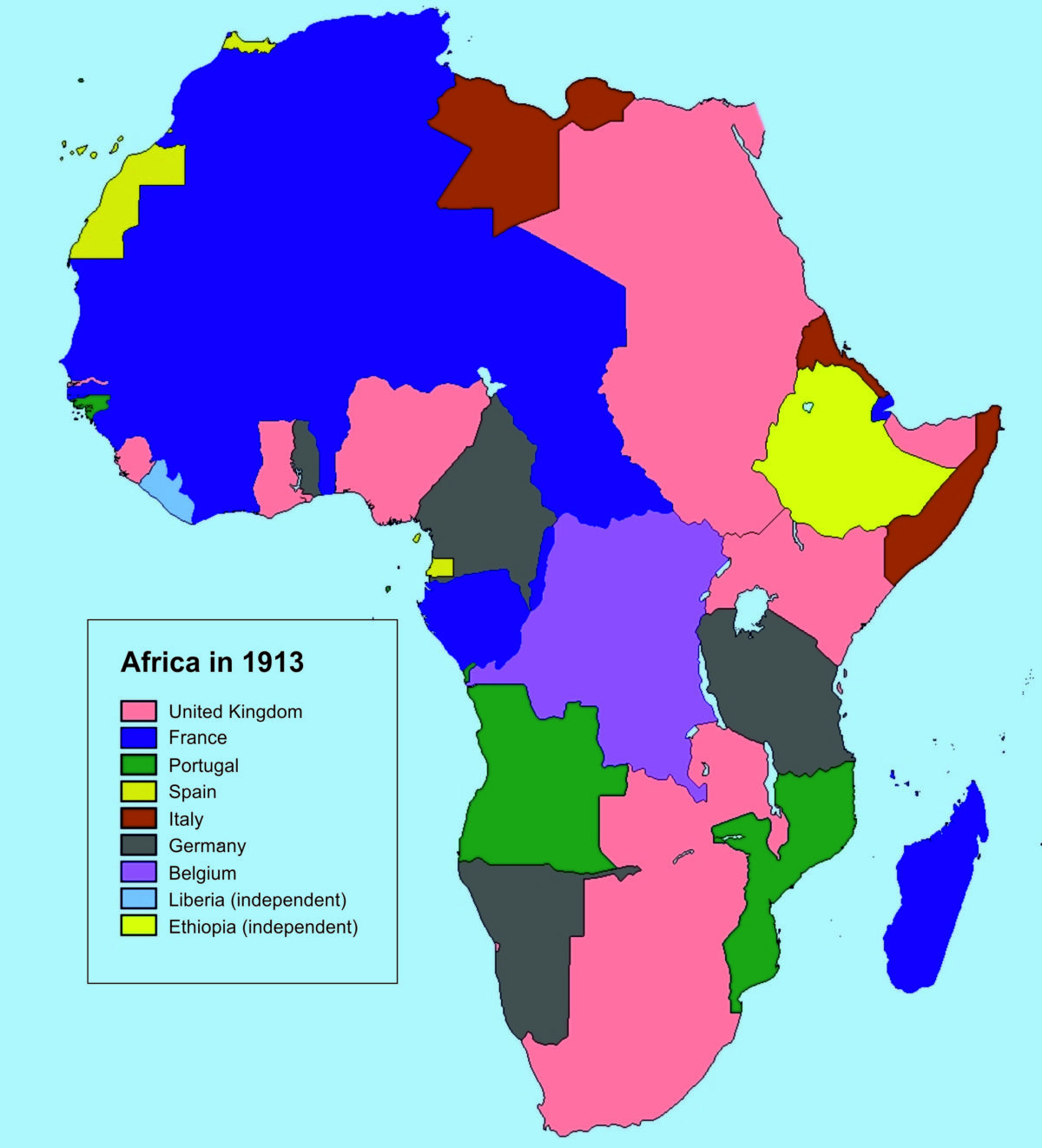
Africa Colonialism Map - Source mungfali.com
These aspects provide a multifaceted exploration of French colonialism, highlighting its consequences on both colonizers and colonized. By examining the complex dynamics of political power, cultural exchange, economic inequality, and the enduring legacies of the past, we gain a deeper understanding of this pivotal chapter in global history.
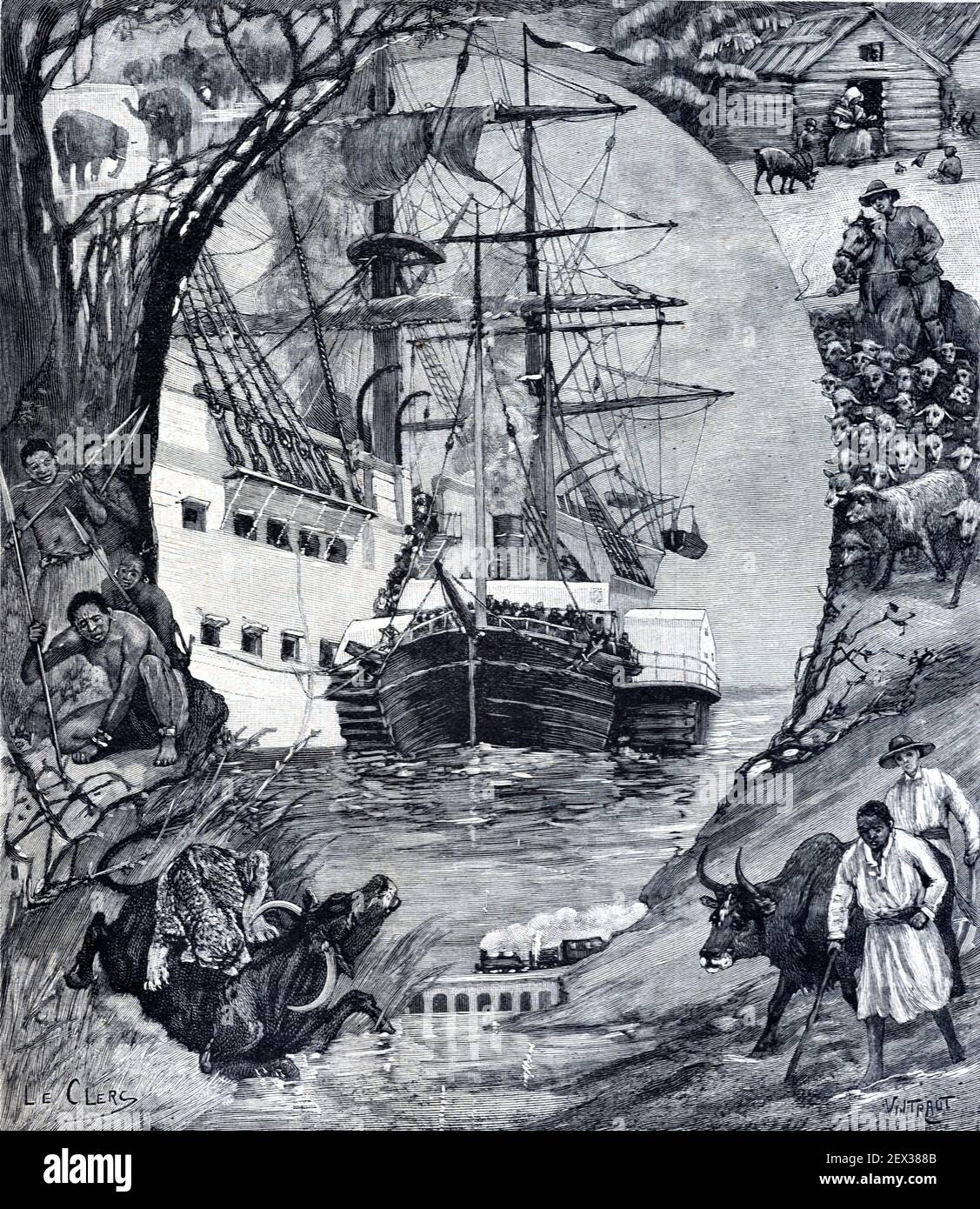
Illustration de l'Empire colonial français, de la colonisation - Source www.alamyimages.fr
Colonisation: Une Histoire Française - Exploring The Legacy Of French Colonialism
The documentary series "Colonisation: Une Histoire Française - Exploring The Legacy Of French Colonialism" delves into the complex and often fraught history of French colonialism. The series explores the causes and consequences of French colonialism, from its origins in the 16th century to its end in the mid-20th century. It also examines the lasting legacy of colonialism on both France and its former colonies.
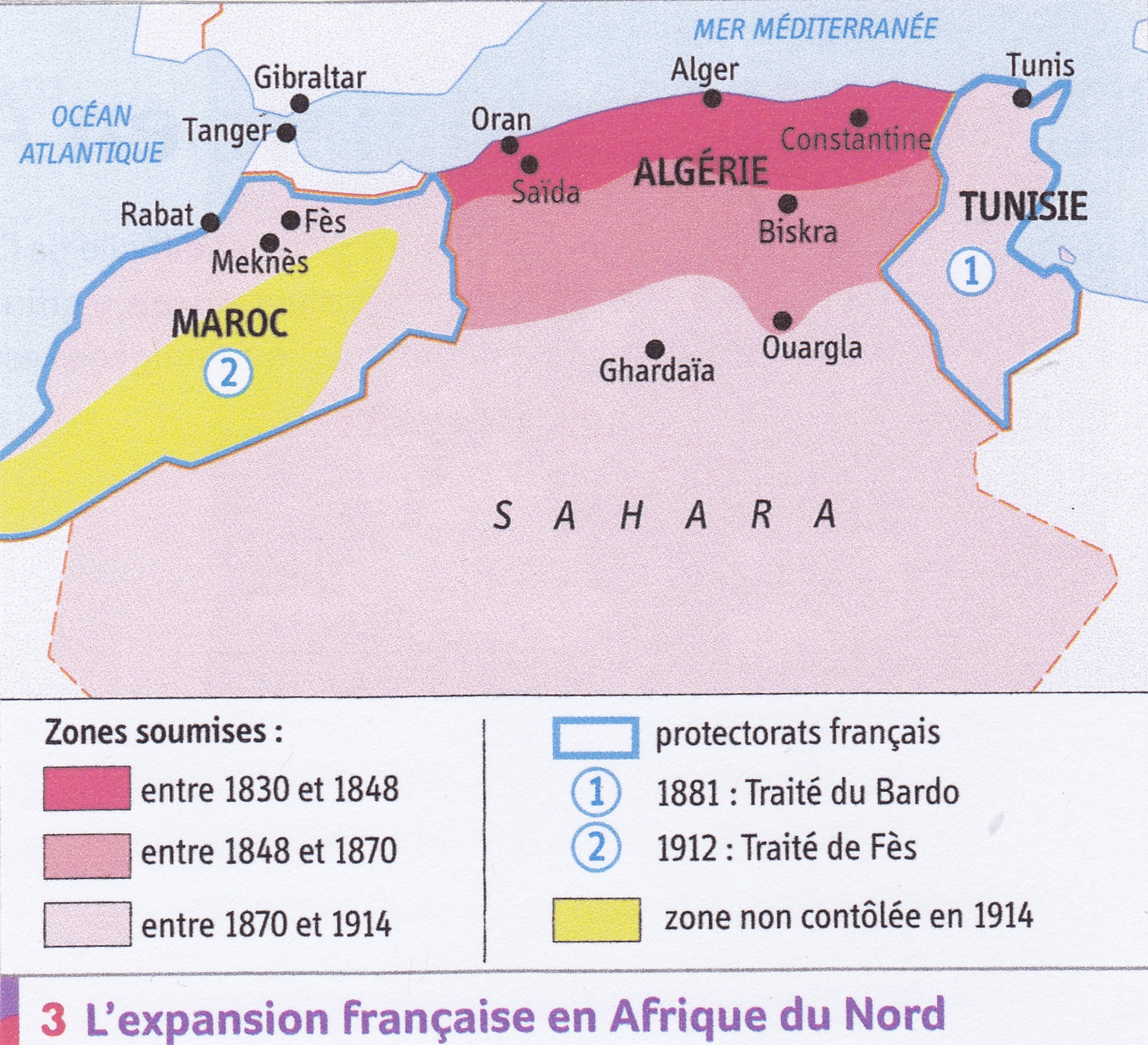
1830-1914. Colonisation de l'Afrique du Nord par la France (carte - Source uneautrehistoire.blog4ever.com
One of the most important aspects of the series is its focus on the human experience of colonialism. The series features interviews with people who lived through the colonial period, both French and non-French. These interviews provide a valuable firsthand perspective on the impact of colonialism on people's lives.
The series also explores the complex relationship between France and its former colonies. The series shows how colonialism has shaped the identity of both France and its former colonies. It also explores the challenges that France and its former colonies have faced in the post-colonial era.
"Colonisation: Une Histoire Française - Exploring The Legacy Of French Colonialism" is an important and timely series. It provides a valuable overview of the history of French colonialism and its lasting legacy. The series is a must-watch for anyone who wants to understand the complex history of colonialism and its impact on the world today.
| Cause | Effect | Example | Practical Significance |
|---|---|---|---|
| French desire for empire | Establishment of French colonies in Africa, Asia, and the Americas | The French colony of Algeria | The legacy of French colonialism can be seen in the political, economic, and social structures of many former French colonies. |
| French exploitation of colonial resources | Economic development of France | The exploitation of rubber in the French colony of Indochina | The economic benefits of colonialism helped to fuel the growth of French industry and infrastructure. |
| French cultural assimilation of colonial subjects | Loss of indigenous cultures | The suppression of traditional African religions in French colonies | The French colonial education system aimed to assimilate colonial subjects into French culture and to suppress indigenous cultures. |
Conclusion
"Colonisation: Une Histoire Française - Exploring The Legacy Of French Colonialism" is an important and timely series that sheds light on a complex and often overlooked aspect of French history. The series provides a valuable overview of the history of French colonialism, its causes and consequences, and its lasting legacy.
The series is a must-watch for anyone who wants to understand the complex history of colonialism and its impact on the world today. It is also a valuable resource for educators and policymakers who are working to address the challenges of the post-colonial era.
