


Discover the Unveiled Wonders of Giza: Pyramids, Sphinx, and Ancient History
Editor's Notes: Discover The Unveiled Wonders Of Giza: Pyramids, Sphinx, And Ancient History" has published today date". This topic is important to read because it provides a comprehensive guide to the iconic Pyramids of Giza, the enigmatic Sphinx, and the captivating history surrounding them.
After extensive analysis and research, we have compiled this guide to assist you in unraveling the mysteries of ancient Egypt.
Key Differences or Key Takeaways:
Main Article Topics:
FAQ
Uncover the profound secrets and mysteries of ancient Egypt as we delve into the enigmatic wonders of Giza. Explore the iconic pyramids, marvel at the majestic Sphinx, and journey through the annals of time to unravel the captivating history that shaped this extraordinary civilization.
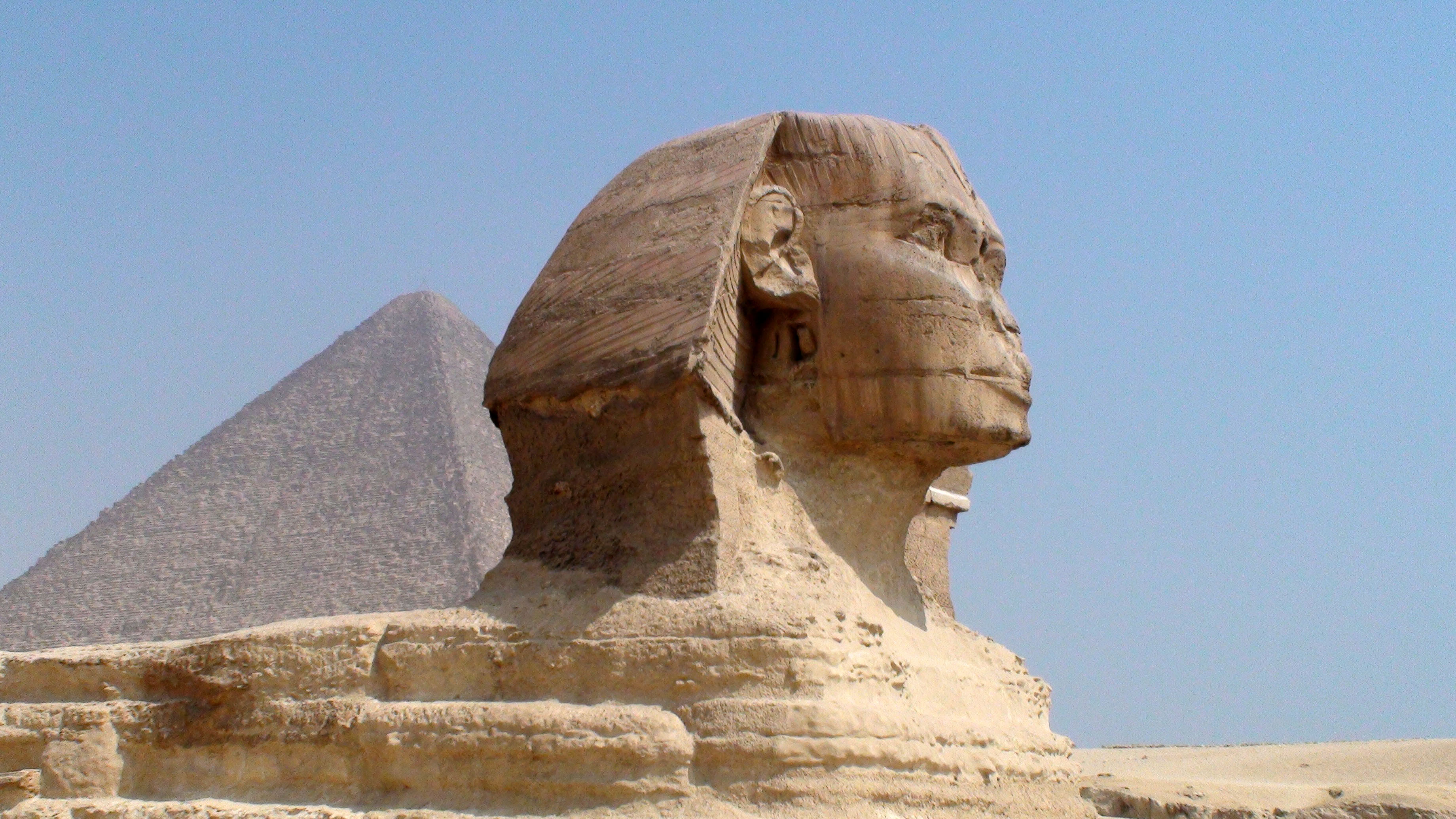
Giza Pyramids Sphinx Egypt - Source mungfali.com
Question 1: What are the key features of the Giza pyramids?
The Great Pyramids of Giza, constructed as elaborate tombs for pharaohs Khufu, Khafre, and Menkaure, are renowned for their colossal size and architectural precision. Khufu's pyramid, the largest, stands at a staggering height of 481 feet and boasts over 2 million limestone blocks, each weighing an average of 2.5 tons. The pyramids' internal chambers, passageways, and ventilation systems showcase the ingenuity of ancient Egyptian engineers.
Question 2: What is the significance of the Sphinx?
Carved from a single piece of limestone, the enigmatic Sphinx is a colossal statue with the head of a pharaoh and the body of a lion. It stands guard over the Giza pyramids, symbolizing strength, wisdom, and eternity. The Sphinx's weathered yet awe-inspiring countenance has captivated visitors for centuries, inspiring countless theories and legends about its origins and purpose.
Question 3: What historical events shaped the Giza plateau?
The Giza plateau witnessed pivotal moments in ancient Egyptian history. During the Old Kingdom (c. 2686-2181 BCE), the pyramids were constructed as royal tombs and religious monuments. Over the centuries, the site became a center of worship, pilgrimage, and exploration. The Greeks and Romans left their mark on Giza, recording their impressions and marveling at its architectural wonders.
Question 4: What archaeological discoveries have been made at Giza?
Extensive archaeological excavations at Giza have uncovered a wealth of artifacts, including statues, sarcophagi, and everyday objects. These discoveries shed light on the daily lives, beliefs, and technologies of ancient Egyptians. The unearthing of workers' villages and administrative centers provides valuable insights into the massive undertaking of pyramid construction.
Question 5: How can visitors experience the wonders of Giza today?
Modern visitors can embark on guided tours to explore the pyramids, the Sphinx, and the surrounding archaeological sites. Multimedia presentations and interactive exhibits enhance the experience, providing in-depth information about their history and significance. Visitors can also witness the spectacular sound and light shows that illuminate the pyramids at night, creating an unforgettable and enchanting atmosphere.
Question 6: What conservation efforts are in place to preserve Giza?
Preserving the wonders of Giza is paramount. Ongoing conservation efforts focus on protecting the pyramids and the Sphinx from environmental degradation, pollution, and the wear and tear of time. Restoration projects aim to stabilize structures, reinforce foundations, and restore original features. International collaboration and sustainable tourism practices are crucial in safeguarding this priceless heritage for future generations.
Unveiling the wonders of Giza is an extraordinary journey that connects us to the ingenuity, beliefs, and aspirations of our ancient ancestors. Through the exploration of these iconic monuments, we gain a profound appreciation for the enduring legacy of ancient Egypt.
Continue your exploration into the captivating world of ancient Egypt with our next article, "Exploring the Temples and Tombs of Luxor Valley."
Tips for Visiting Giza
Discover the awe-inspiring wonders of Giza with these tips to enhance your experience.
Tip 1: Book a Guided Tour
An experienced guide can provide invaluable insights into the history, architecture, and secrets of the ancient civilization.
Tip 2: Arrive Early
Beat the crowds by arriving early in the morning, particularly during peak tourist seasons, to capture captivating photographs and immerse yourself in the tranquility.
Tip 3: Explore Beyond the Pyramids
Venture beyond the iconic pyramids to discover the enigmatic Sphinx, Valley Temple, and surrounding necropolis, revealing the full scope of Giza's ancient legacy.
Tip 4: Respect the Site
Preserve the integrity of the historical site by adhering to designated paths, refraining from climbing on structures, and avoiding littering. Let's collectively safeguard this heritage for future generations.
Tip 5: Stay Hydrated
Carry ample water, especially during the scorching summer months, to avoid dehydration while exploring the vast expanse of Giza. Dress comfortably, wear sturdy footwear, and protect yourself from the sun with a hat and sunscreen.
Tip 6: Immerse Yourself in Local Culture
Enhance your understanding of Egyptian culture by interacting with the friendly locals, learning about their traditions, and sampling authentic cuisine. Support the local economy by purchasing souvenirs from reputable vendors, contributing to the preservation of this vibrant heritage.
Follow these tips to make your visit to Giza not just informative but also respectful and unforgettable. Discover The Unveiled Wonders Of Giza: Pyramids, Sphinx, And Ancient History and embark on an immersive journey through time.
Remember, the legacy of Giza transcends time. By following these tips, you can not only witness its grandeur but also contribute to its preservation for generations to come.
Discover The Unveiled Wonders Of Giza: Pyramids, Sphinx, And Ancient History
Giza's iconic landmarks—the Pyramids, Sphinx, and ancient history—form an unparalleled historical tableau. Each aspect unravels a captivating narrative of architectural prowess, cultural legacy, and human ingenuity.
- Architectural Marvels
- Pharaonic Legacy
- Enigmatic Sphinx
- Ancient Rituals
- Timeless Monuments
- UNESCO World Heritage
These aspects intertwine, painting a vivid panorama of ancient Egypt. The towering pyramids showcase engineering brilliance, while the Sphinx embodies royal power and wisdom. Ancient rituals and beliefs are etched into the site, narrating the intricate religious life of the pharaohs. Designated a UNESCO World Heritage, Giza's wonders transcend time, captivating visitors with their enduring grandeur, historical significance, and architectural mastery.
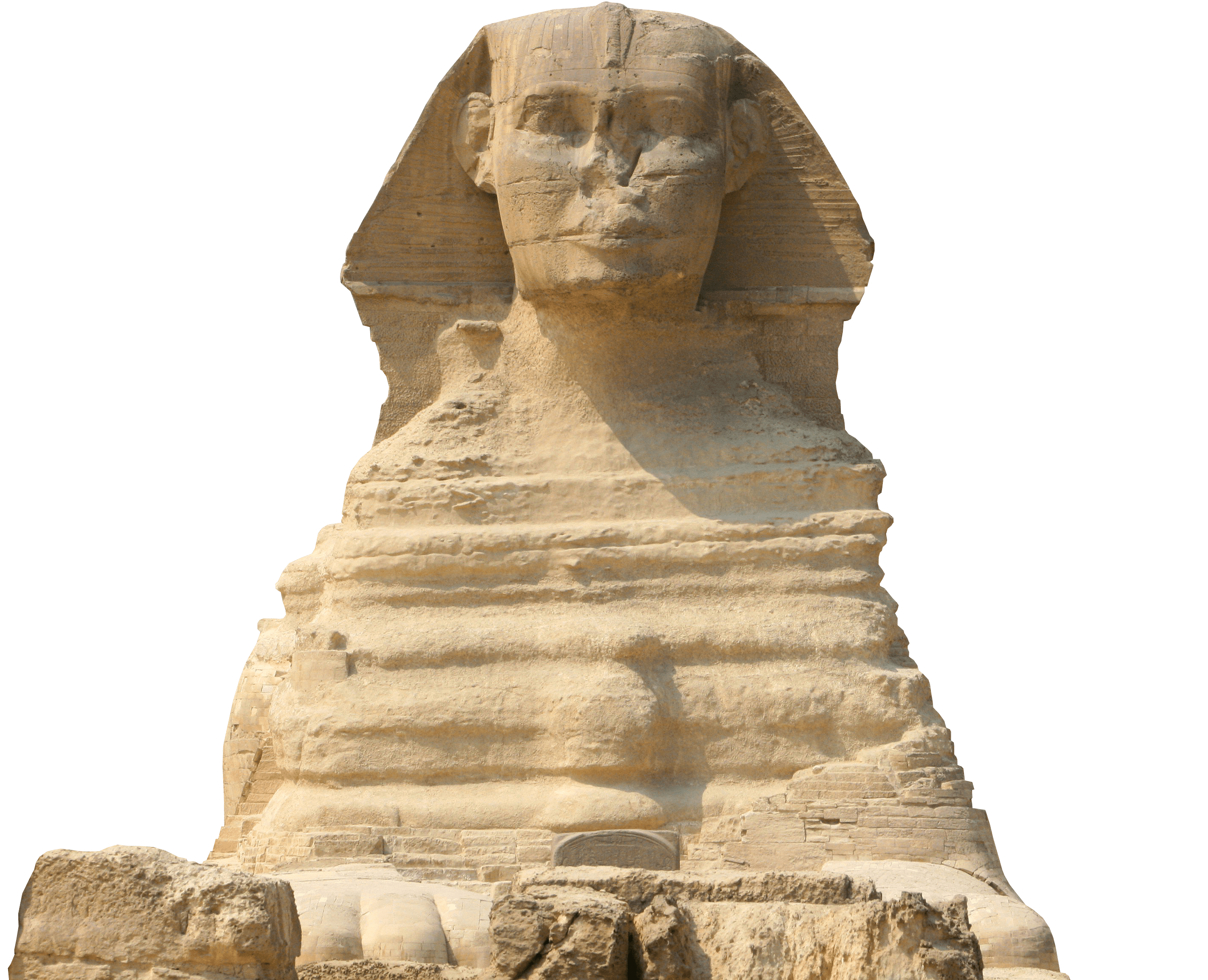
Great Sphinx Of Giza History - Source mungfali.com
Discover The Unveiled Wonders Of Giza: Pyramids, Sphinx, And Ancient History
The exploration of "Discover The Unveiled Wonders Of Giza: Pyramids, Sphinx, And Ancient History" unveils the profound connection between architectural marvels, enigmatic sculptures, and the annals of a civilization that has captivated imaginations for millennia. The pyramids, with their colossal scale and enigmatic purpose, stand as testaments to the ingenuity and ambition of ancient Egyptian engineers. The Sphinx, a mythical creature carved from a single colossal stone, guards the plateau, symbolizing the fusion of human and animal forms in ancient Egyptian mythology.

pyramids-of-giza-4 - Egyptian Pyramids Pictures - Ancient Egypt - Source www.history.com
Delving into the ancient history of Giza reveals a civilization obsessed with life, death, and the afterlife. The pyramids were constructed as tombs for pharaohs, designed to protect their bodies and ensure their journey to the next world. The Sphinx, believed to be a representation of the pharaoh Khafre, symbolizes the power and divinity of the ruler.
Understanding this connection is crucial for appreciating the significance of Giza as a historical and cultural site. The pyramids and the Sphinx, once shrouded in mystery, now stand as symbols of human achievement and the enduring power of ancient Egypt. They offer a glimpse into the beliefs, values, and technological prowess of a civilization that continues to inspire awe and wonder in modern times.
Conclusion
The exploration of "Discover The Unveiled Wonders Of Giza: Pyramids, Sphinx, And Ancient History" underscores the profound connection between architectural wonders and the rich tapestry of ancient Egyptian civilization. The pyramids, majestic tombs, and the enigmatic Sphinx stand as enduring symbols of human ingenuity, cultural beliefs, and the enduring power of history.
This understanding invites us to reflect on the legacy of ancient civilizations, the importance of preserving historical sites, and the enduring fascination with the mysteries of the past. Giza, with its awe-inspiring monuments and rich history, continues to captivate and inspire, serving as a reminder of human ambition, creativity, and the enduring power of history.
