


Mastering The Art Of Canine Training: An In-Depth Guide With Dani Silva is a comprehensive resource for dog owners and trainers alike. This guide provides a step-by-step approach to training your dog using positive reinforcement and science-based methods. With its clear instructions and helpful tips, this guide can help you build a strong bond with your dog and achieve your training goals.

Understanding Canine Brain Tumors: An In-depth Guide – Drake Dog Cancer - Source dogcancerfoundation.org
Editor's Notes: Mastering The Art Of Canine Training: An In-Depth Guide With Dani Silva has published today date. Given the growing popularity of dog ownership, it's more important than ever to have access to quality training resources. This guide is an excellent option for anyone looking to train their dog effectively and humanely.
In this guide, you will learn about:
- The basics of dog training, including socialization, obedience, and housetraining
- Advanced training techniques, such as agility, tracking, and obedience trials
- Troubleshooting common training problems
- The importance of positive reinforcement and science-based training methods
Whether you are a new dog owner or an experienced trainer, Mastering The Art Of Canine Training: An In-Depth Guide With Dani Silva is a valuable resource that can help you achieve your training goals and build a strong bond with your dog.
Mastering The Art of Canine Training
This in-depth guide provides expert insights and proven techniques to transform you into a skilled canine trainer. Our expert, Dani Silva, shares her comprehensive knowledge and years of experience to guide you through every aspect of training your furry companion.
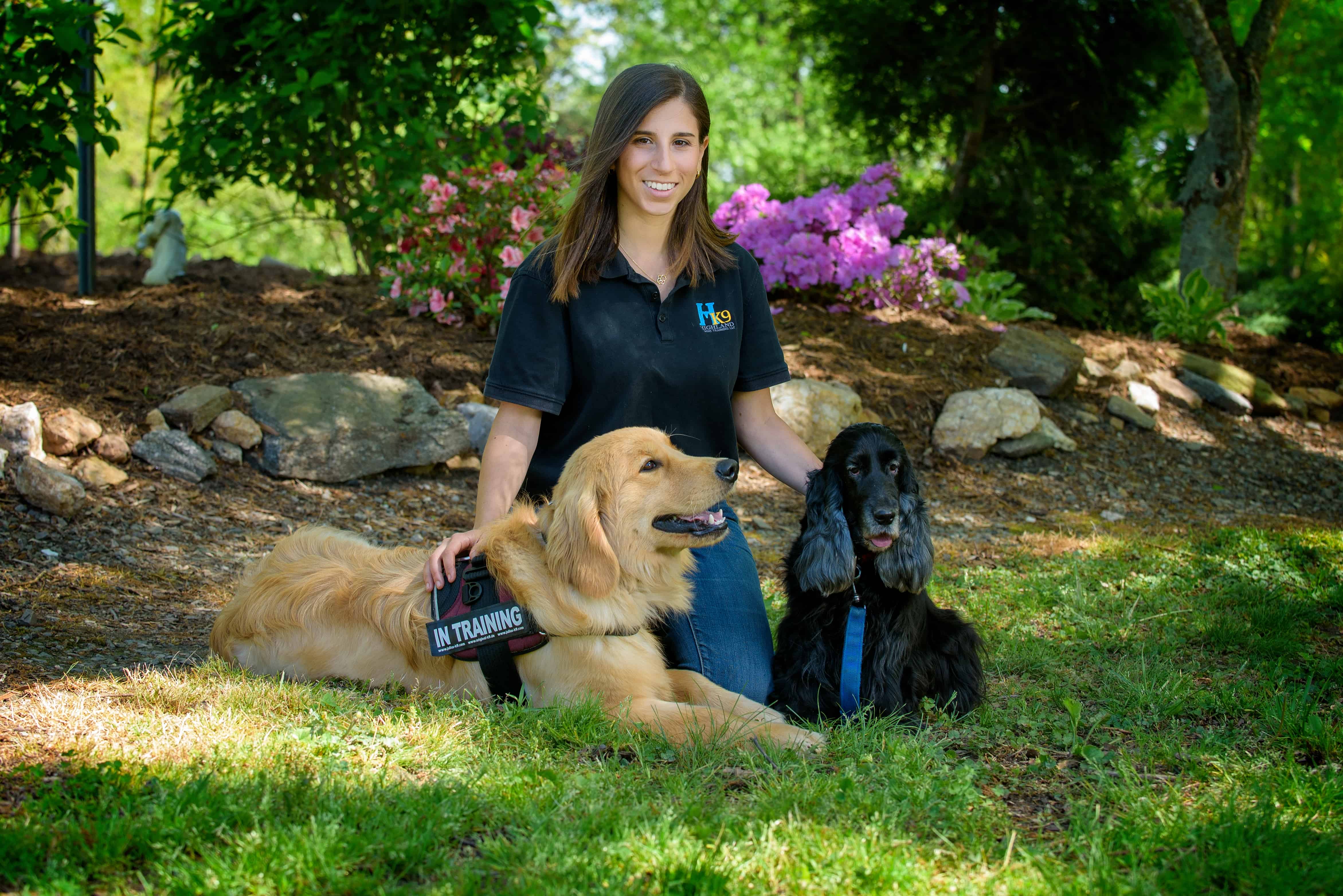
"All Dogs Need A Purpose": Our Mérida Dog Trainer Explains Her Journey - Source highlandcanine.com
Question 1: What are the most effective training methods?
Positive reinforcement techniques, such as rewards and praise, are highly recommended for fostering a strong bond with your dog while encouraging desired behaviors.
Question 2: How do I handle common behavior issues like aggression or separation anxiety?
Address behavior issues with a comprehensive approach that involves understanding underlying causes, establishing clear boundaries, and implementing appropriate training protocols. Professional guidance from a certified trainer may be necessary in certain cases.
Question 3: What are the key principles for successful socialization?
Expose your dog to various environments, people, and animals in a controlled setting early on to promote confidence and prevent fear or aggression towards others.
Question 4: How often should I train my dog?
Consistency is crucial. Aim for short and frequent training sessions throughout the day, gradually increasing the duration and complexity of exercises as your dog progresses.
Question 5: What are the benefits of advanced training?
Higher levels of training enhance communication, strengthen the dog-owner bond, provide mental stimulation, and prepare your companion for specific tasks, such as agility or therapy.
Question 6: How do I maintain my dog's training?
Regular reinforcement and occasional refresher sessions are essential for ensuring lasting results. Treat training as an ongoing process that adapts to your dog's changing needs and abilities.
Remember, effective canine training is a journey that requires patience, consistency, and a deep understanding of your dog's unique personality. Embrace the process with love and dedication, and you will be rewarded with a well-behaved and cherished companion.
Discover more strategies and valuable insights in the comprehensive guide, "Mastering The Art Of Canine Training: An In-Depth Guide With Dani Silva."
Tips
Mastering the art of canine training requires patience, consistency, and effective techniques. Implementing these tips can help you build a strong and harmonious bond with your furry companion while shaping their behavior and ensuring their well-being.
Tip 1: Positive Reinforcement: Rewarding desirable behaviors with treats, praise, or play is a powerful motivator for dogs. This method encourages them to repeat positive actions and fosters a positive association with training.
Tip 2: Consistency: Maintaining consistent training routines, cues, and expectations is crucial for effective dog training. Dogs thrive on predictability and clarity, so sticking to established guidelines helps them understand what is expected of them.
Tip 3: Patience: Training a dog takes time and effort. Avoid rushing the process and be patient with your companion. Repetitions, rewards, and consistency will eventually lead to desired outcomes.
Tip 4: Socialization: Exposing your dog to various situations, people, and other animals from a young age helps them develop social skills, confidence, and adaptability. Socialization prevents fear-based reactions and promotes a well-rounded canine companion.
Tip 5: Mental Stimulation: Engage your dog's mind with interactive toys, puzzle feeders, or training exercises. Mental stimulation prevents boredom, promotes cognitive development, and strengthens your bond with your pet.
Tip 6: Leash Training: Teaching your dog to walk calmly on a leash is essential for safety and control. Start in quiet areas and gradually expose them to more stimulating environments while maintaining a loose leash.
Tip 7: Crate Training: A crate can provide a safe and comfortable den-like space for your dog. Crate training helps with potty training, separation anxiety, and creating a sense of security.
Tip 8: Professional Guidance: If you encounter challenges in training your dog, don't hesitate to seek professional guidance from a certified dog trainer or veterinary behaviorist. They can provide tailored advice, support, and training techniques to help you achieve your goals.
For further in-depth information, consider reading Mastering The Art Of Canine Training: An In-Depth Guide With Dani Silva. This comprehensive resource offers a wealth of knowledge on canine behavior, training methodologies, and problem-solving techniques to help you establish a harmonious relationship with your beloved companion.
Mastering The Art Of Canine Training: An In-Depth Guide With Dani Silva
Mastering the art of canine training requires a comprehensive understanding of essential aspects that guide effective dog training practices. Dani Silva's in-depth guide delves into these key elements, providing a roadmap for successful canine training.
- Positive Reinforcement: Rewarding desired behaviors to encourage repetition.
- Consistency: Maintaining uniformity in training methods for better understanding.
- Patience: Recognizing that training takes time and requires perseverance.
- Communication: Using clear signals and commands to convey instructions.
- Socialization: Exposing dogs to different environments and experiences for well-rounded development.
- Customization: Tailoring training methods to individual dog's needs and characteristics.

Police K9 Decoy School | K9 Decoy Course - Complete Canine Training - Source www.completecaninetraining.com
These aspects are interconnected and crucial for successful canine training. Positive reinforcement creates a positive association with desired behaviors, while consistency reinforces these behaviors. Patience allows for gradual progress and avoids setbacks. Clear communication ensures that dogs understand expectations, and socialization fosters confidence and adaptability. Customization recognizes individual differences and enables tailored training strategies. By mastering these essential aspects, dog owners can cultivate well-behaved, obedient, and happy canine companions.
Mastering The Art Of Canine Training: An In-Depth Guide With Dani Silva
Content details for "Mastering The Art Of Canine Training: An In-Depth Guide With Dani Silva" reveal a comprehensive exploration of canine training techniques and principles. Through the expert guidance of Dani Silva, a renowned dog trainer, the book delves into the intricacies of communication, positive reinforcement, and behavior modification for dogs of all ages and breeds.

Dani Silva oficializado como reforço do Hellas Verona - Source www.jn.pt
The significance of this topic lies in the growing need for effective dog training methods in modern society. As dogs become increasingly integrated into our families and communities, responsible ownership requires a deep understanding of canine behavior and training. The book's in-depth approach provides a solid foundation for dog owners to establish a strong bond with their pets while promoting obedience, socialization, and overall well-being.
Practical applications of the knowledge gained from this guide extend to various aspects of dog ownership. Well-trained dogs are more likely to display appropriate behaviors in public settings, reducing the risk of accidents or conflicts. Training also enhances communication between dogs and owners, fostering a harmonious relationship built on mutual trust and understanding. The techniques outlined in the book empower dog owners to address common behavioral issues such as housetraining, leash pulling, and aggression, resulting in a more enjoyable and fulfilling experience for both dogs and their human companions.
In conclusion, "Mastering The Art Of Canine Training: An In-Depth Guide With Dani Silva" serves as an invaluable resource for anyone seeking to establish a deep and fulfilling connection with their canine friend. Through its comprehensive coverage of training principles, practical exercises, and expert insights, the book empowers dog owners to become effective trainers, fostering a lifelong bond of love, respect, and companionship.
