


Meningitis: Symptoms, Causes, Treatment, And Prevention
Editor's Notes: "Meningitis: Symptoms, Causes, Treatment, And Prevention" have published today date. Meningitis is a serious infection of the membranes that line the brain and spinal cord. It can be caused by bacteria, viruses, fungi, or parasites. Meningitis can be a life-threatening condition, so it is important to be aware of the symptoms and to seek medical attention immediately if you think you may have meningitis.
We have analyzed the topic "Meningitis: Symptoms, Causes, Treatment, And Prevention", which is a comprehensive guide to help you understand meningitis, its symptoms, causes, treatment, and prevention methods. This guide will help you make informed decisions about your health.
Rosacea In Children: Causes, Symptoms, Treatment & Prevention - Source www.momjunction.com
Key Differences:
The following table provides a summary of the key differences between the four main types of meningitis:
| Type of Meningitis | Cause | Symptoms | Treatment |
|---|---|---|---|
| Bacterial Meningitis | Bacteria | Fever, headache, stiff neck, nausea, vomiting, confusion | Antibiotics |
| Viral Meningitis | Viruses | Fever, headache, stiff neck, nausea, vomiting, fatigue | Supportive care |
| Fungal Meningitis | Fungi | Fever, headache, stiff neck, nausea, vomiting, confusion, seizures | Antifungal medications |
| Parasitic Meningitis | Parasites | Fever, headache, stiff neck, nausea, vomiting, confusion, seizures | Antiparasitic medications |
Transition to main article topics:
- Symptoms of Meningitis
- Causes of Meningitis
- Treatment for Meningitis
- Prevention of Meningitis
FAQ
Frequently asked questions (FAQs) about meningitis, its symptoms, causes, treatment, and prevention, answered with accuracy and comprehensiveness.
Question 1: What are the most common symptoms of meningitis?
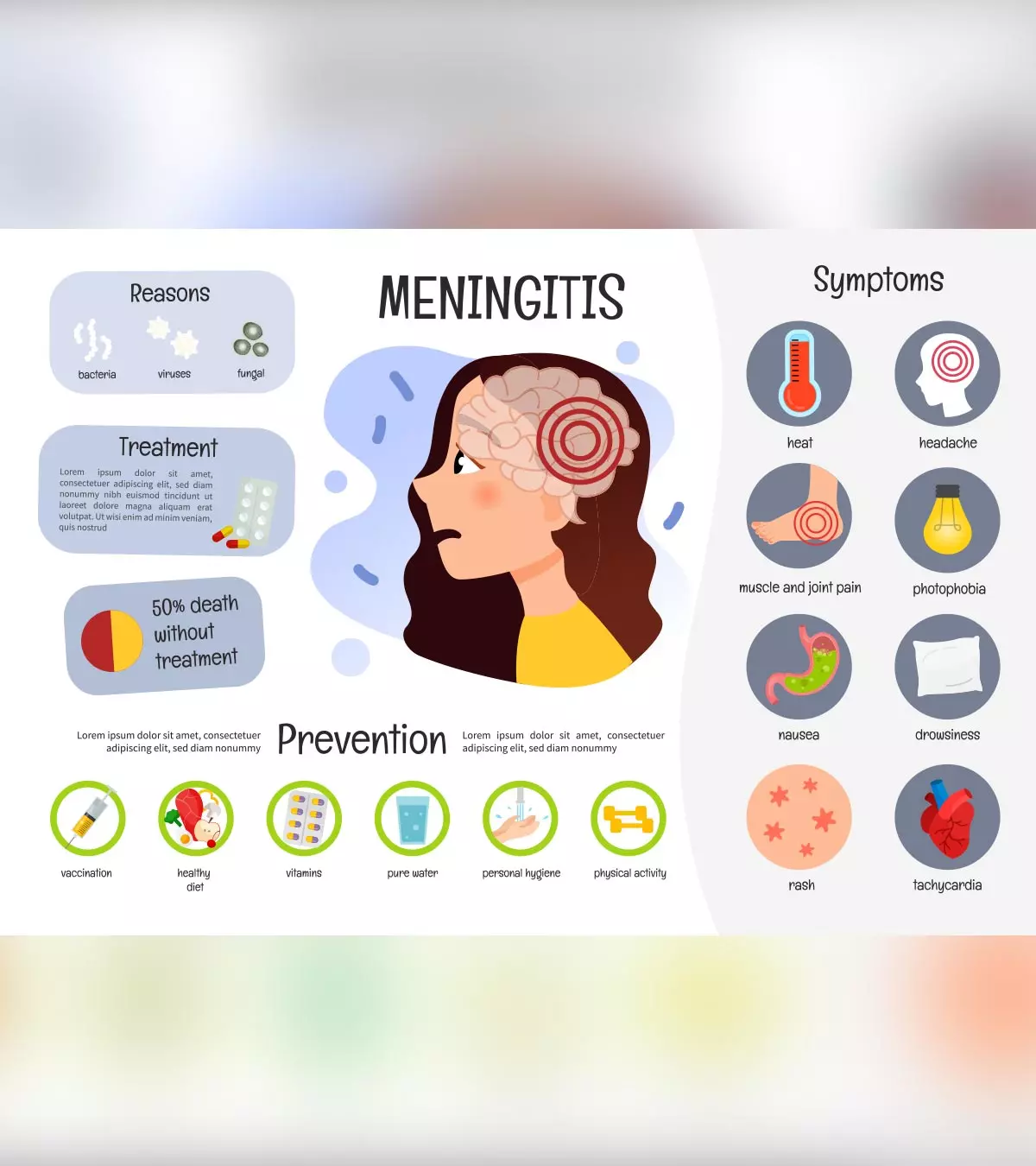
Meningitis can manifest a range of symptoms, including sudden onset of fever, intense headache, stiff neck, nausea, vomiting, sensitivity to light, and confusion or altered mental status in severe cases.
Question 2: What causes meningitis?
Meningitis is primarily caused by bacterial or viral infections that infiltrate the meninges, the protective membranes surrounding the brain and spinal cord. Bacteria such as Streptococcus pneumoniae and Neisseria meningitidis are common culprits, while viral meningitis is often caused by enteroviruses or mumps virus.
Question 3: How is meningitis treated?
Treatment for meningitis typically involves prompt administration of antibiotics in the case of bacterial meningitis, while viral meningitis requires supportive care and management of symptoms. Intravenous fluids, pain relievers, and anticonvulsants may also be utilized.
Question 4: Is meningitis contagious?
Yes, meningitis can be contagious, particularly through close contact with infected individuals. Respiratory droplets and bodily fluids can transmit the bacteria or virus responsible for meningitis.
Question 5: How can meningitis be prevented?
Vaccination is the most effective preventive measure against meningitis. Vaccines are available to protect against various strains of bacteria and viruses that cause meningitis. Other preventive measures include practicing good hygiene, maintaining a healthy immune system, and seeking prompt medical attention when experiencing potential symptoms.
Question 6: What are the long-term effects of meningitis?
Meningitis can have varying long-term effects depending on the severity of the infection. Some individuals may experience hearing loss, cognitive impairments, or neurological deficits. Early diagnosis and treatment can minimize the risk of severe complications.
Summary: Meningitis is a serious infection that requires prompt medical attention. Its symptoms, causes, and treatment vary, and preventive measures such as vaccination and good hygiene are crucial. Seeking timely diagnosis and proper treatment can significantly improve outcomes and reduce the risk of long-term complications.
Next: Explore further information on the causes, symptoms, treatment, and prevention of meningitis.
Tips for Preventing and Managing Meningitis
Meningitis is a serious infection of the membranes covering the brain and spinal cord. It can be caused by bacteria, viruses, fungi, or parasites. Bacterial meningitis is the most common and most serious type. Meningitis can be fatal or cause permanent disability.
Tip 1: Get vaccinated.
The best way to prevent meningitis is to get vaccinated. There are vaccines available to protect against the most common types of meningitis-causing bacteria: Haemophilus influenzae type b (Hib), Neisseria meningitidis (meningococcus), and Streptococcus pneumoniae (pneumococcus). The Hib vaccine is usually given to infants as part of the routine childhood immunization schedule. The meningococcal and pneumococcal vaccines are recommended for certain groups of people, such as those who are at increased risk of infection or those who are traveling to areas where meningitis is common.
Tip 2: Practice good hygiene.
Meningitis can be spread through contact with respiratory droplets from an infected person. To reduce your risk of infection, practice good hygiene, such as washing your hands frequently with soap and water, covering your mouth and nose when you cough or sneeze, and avoiding close contact with people who are sick.
Tip 3: Be aware of the symptoms of meningitis.
The symptoms of meningitis can vary depending on the type of infection. However, some common symptoms include fever, headache, stiff neck, nausea, vomiting, and sensitivity to light. If you experience any of these symptoms, seek medical attention immediately. Meningitis can be a medical emergency, so it is important to get treatment as soon as possible.
Tip 4: Get treatment if you have been exposed to meningitis.
Meningitis: Symptoms, Causes, Treatment, And Prevention If you have been exposed to someone who has meningitis, you may need to take antibiotics to prevent infection. Your doctor will recommend the best course of treatment based on your individual circumstances.
Tip 5: Support research on meningitis.
Meningitis is a serious disease, but there is still much that we do not know about it. Research is essential to developing new and better ways to prevent, diagnose, and treat meningitis. You can support research on meningitis by donating to a reputable organization or by volunteering your time.
Summary of key takeaways or benefits -->
Meningitis is a serious infection, but it can be prevented and treated. By following these tips, you can reduce your risk of infection and protect yourself and your loved ones.
Transition to the article's conclusion -->
Meningitis: Symptoms, Causes, Treatment, And Prevention
Meningitis, a serious inflammation of the brain and spinal cord's protective membranes, requires prompt recognition and intervention due to its potentially life-threatening consequences.
- Inflammation: The defining characteristic of meningitis, caused by various pathogens.
- Meninges: The membranes lining the brain and spinal cord, affected in meningitis.
- Symptoms: Fever, headache, stiff neck, and altered mental status are common.
- Causes: Bacterial, viral, or fungal infections are the primary causes.
- Treatment: Antibiotics or antifungals, depending on the cause, are crucial.
- Prevention: Vaccines for bacterial meningitis and hygiene measures for viral meningitis are effective.

Hepatitis - Symptoms, Causes, Treatment and Prevention - Source www.pacehospital.com
Distinguishing the different types of meningitis is essential. Bacterial meningitis, caused by bacteria such as Streptococcus pneumoniae and Neisseria meningitidis, can lead to rapid deterioration and requires immediate antibiotic treatment. Viral meningitis, often less severe, can resolve with supportive care. Fungal meningitis, though rare, can be challenging to treat.
Meningitis: Symptoms, Causes, Treatment, And Prevention
Meningitis is a serious infection of the membranes that line the brain and spinal cord. It can be caused by bacteria, viruses, fungi, or parasites. Bacterial meningitis is the most common type and is the most dangerous. It can lead to serious complications, including brain damage, hearing loss, and even death. Viral meningitis is less common and is usually not as serious, but it can still cause significant health problems.
Sepsis: Symptoms, Causes, Treatment Prevention - Source informacionpublica.svet.gob.gt
The symptoms of meningitis can vary depending on the type of infection. However, some common symptoms include: fever, headache, stiff neck, nausea, vomiting, and sensitivity to light. In severe cases, meningitis can also cause seizures, coma, and death.
Meningitis is a medical emergency. If you think you or someone you know may have meningitis, seek medical attention immediately. Treatment for meningitis depends on the type of infection. Bacterial meningitis is treated with antibiotics. Viral meningitis is usually treated with supportive care, such as rest, fluids, and pain relievers.
There are several ways to prevent meningitis. The most important way is to get vaccinated. There are vaccines available to protect against bacterial and viral meningitis. Other ways to prevent meningitis include: practicing good hygiene, avoiding contact with people who are sick, and getting enough rest.
