


Meningitis | CK Public Health - Source ckphu.com
Our team of experts has analyzed and dug through a lot of information and put together this comprehensive guide to help you understand meningococcal meningitis and make the right decisions about prevention and treatment.
| Meningitis is an inflammation of the meninges, the membranes that surround the brain | Meningococcal meningitis is a type of meningitis that is caused by the bacteria Neisseria meningitidis. |
| Meningitis can be caused by a variety of factors, including bacteria, viruses, and fungi. | Meningococcal meningitis is spread through close contact with an infected person's respiratory droplets. |
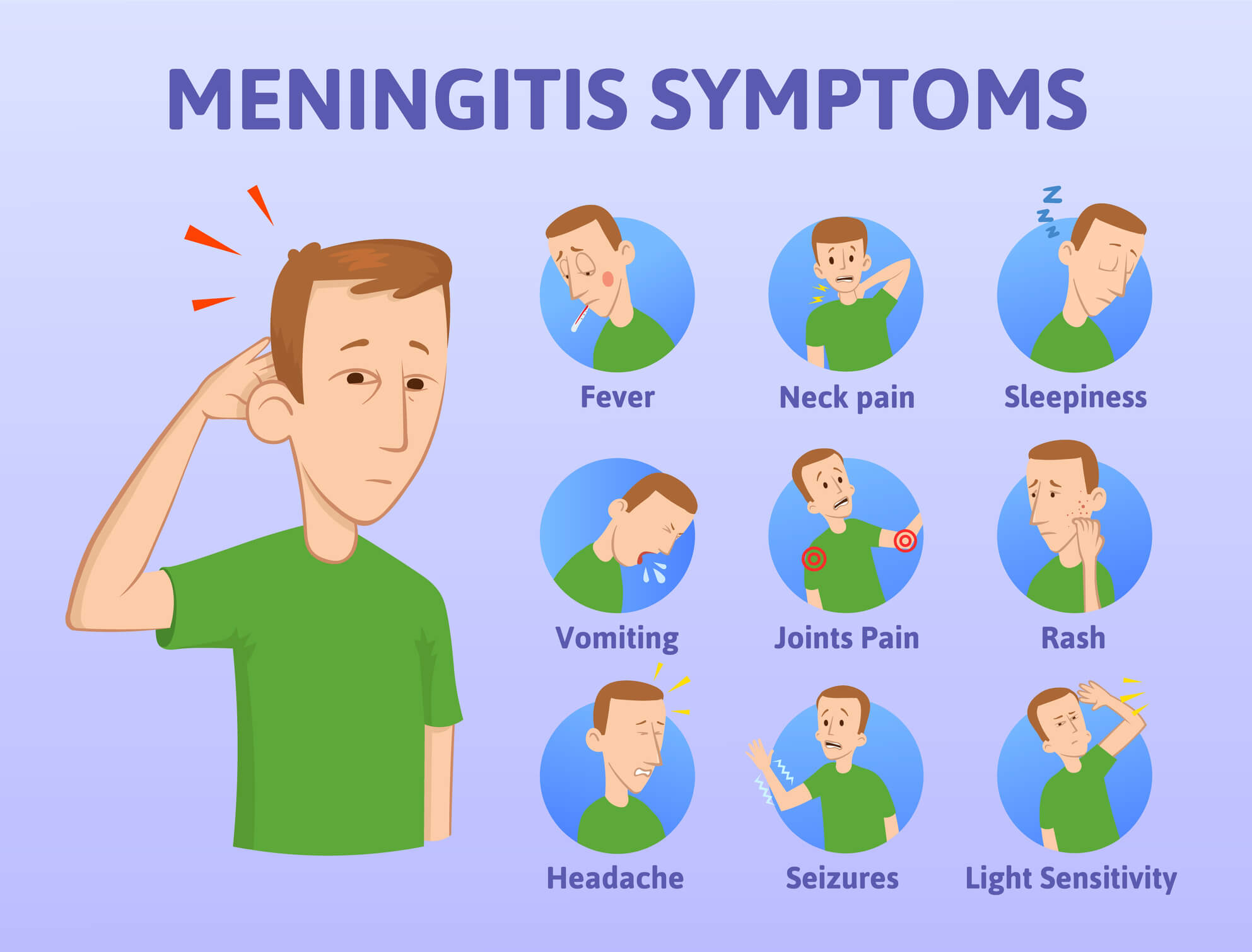
| Meningitis can cause a variety of symptoms, including headache, fever, stiff neck, nausea, and vomiting. | Meningococcal meningitis is a medical emergency and can be fatal within 24 hours if not treated promptly. |
- Causes of Meningococcal Meningitis
- Symptoms of Meningococcal Meningitis
- Prevention of Meningococcal Meningitis
FAQ
This section addresses frequent inquiries regarding meningococcal meningitis, including its causes, symptoms, and preventive measures.
Question 1: What are the primary causes of meningococcal meningitis?
Meningococcal meningitis is caused by bacteria known as Neisseria meningitidis. These bacteria can spread through close contact with infected individuals, primarily through respiratory droplets, such as when coughing or sneezing.
Bacterial Meningitis Complications | Calgary Guide - Source calgaryguide.ucalgary.ca
Question 2: What are the common symptoms of meningococcal meningitis?
Meningococcal meningitis can manifest in various ways, including severe headache, fever, stiff neck, nausea, vomiting, sensitivity to light, and confusion. In severe cases, it can lead to seizures, a coma, or even death.
Question 3: How can I prevent meningococcal meningitis?
Vaccination is the most effective preventive measure against meningococcal meningitis. The meningococcal vaccine is recommended for individuals at increased risk, such as those living in or traveling to endemic areas, attending college, or having a weakened immune system.
Question 4: What is the treatment for meningococcal meningitis?
Treatment for meningococcal meningitis involves immediate medical attention and administration of antibiotics. The type of antibiotics used depends on the specific strain of bacteria causing the infection.
Question 5: Are there any long-term effects of meningococcal meningitis?
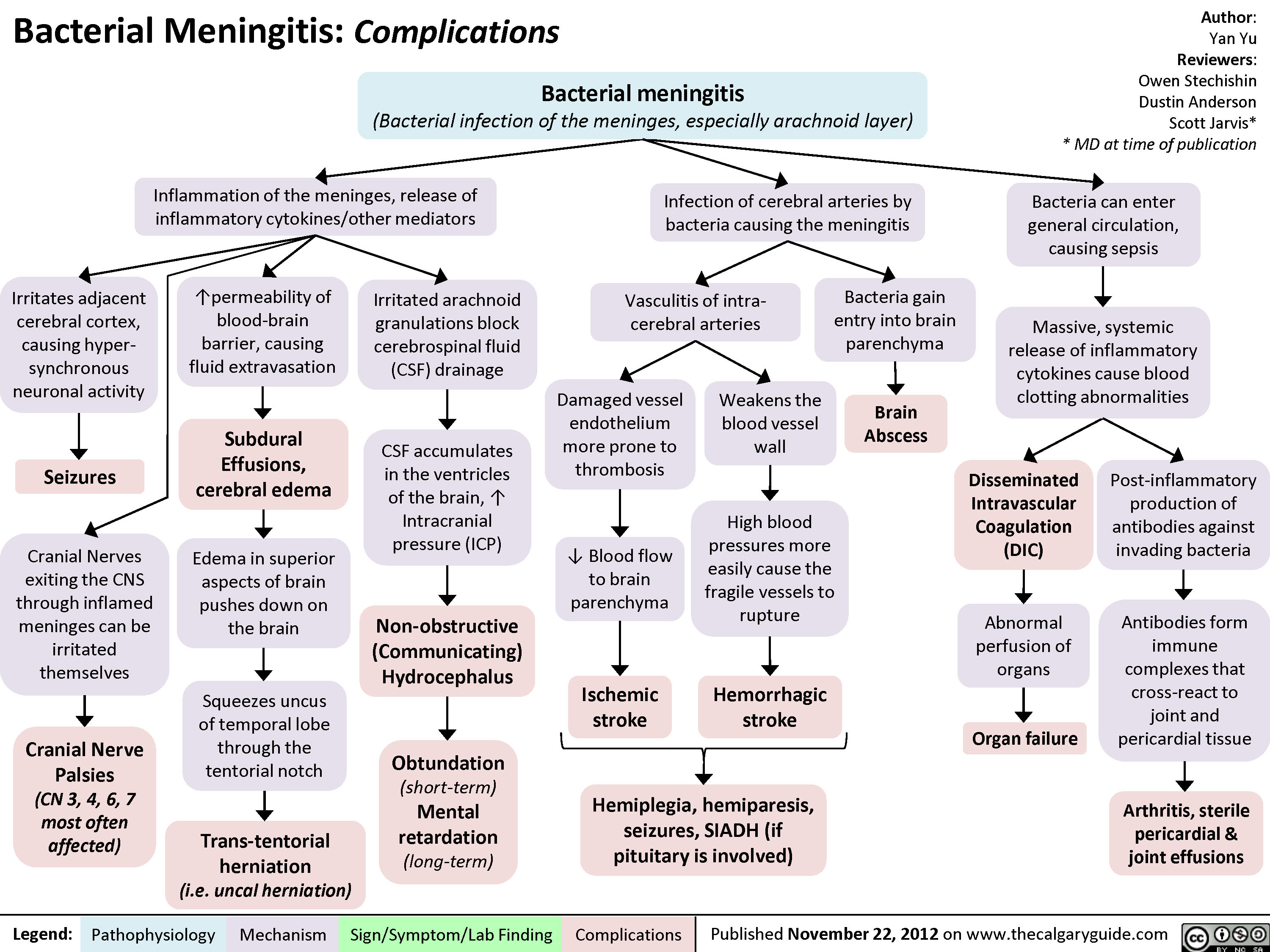
While most individuals recover from meningococcal meningitis with timely treatment, some may experience long-term complications, including hearing loss, brain damage, or even amputation of limbs in severe cases.
Question 6: Why is it crucial to seek medical attention promptly if you suspect meningococcal meningitis?
Meningococcal meningitis can rapidly progress to life-threatening complications. Early diagnosis and treatment significantly improve the chances of a successful recovery.
In conclusion, understanding the causes, symptoms, and preventive measures of meningococcal meningitis is vital for protecting yourself and others from this serious infection.
Tips to Prevent Meningococcal Meningitis
Meningitis In Babies: Signs And Symptoms | Childhealthy - Source childhealthy.co.uk
Meningococcal meningitis is a serious bacterial infection of the membranes that line the brain and spinal cord. It can cause severe complications, including brain damage, hearing loss, and even death. While anyone can get meningococcal meningitis, it is most common in children and young adults.
Tip 1: Get vaccinated.
The meningococcal vaccine is the most effective way to prevent meningococcal meningitis. The vaccine is available for all ages and is recommended for all children and young adults. The vaccine is given in a series of shots, and it is important to get all of the shots in the series to be fully protected.
Tip 2: Practice good hygiene.
Meningococcal bacteria can be spread through close contact with an infected person. To prevent the spread of the bacteria, it is important to practice good hygiene, such as washing your hands frequently, covering your mouth and nose when you cough or sneeze, and avoiding sharing drinks or utensils with others.
Tip 3: Get medical attention if you have symptoms of meningococcal meningitis.
Meningococcal meningitis can be a very serious illness, so it is important to get medical attention if you have any symptoms of the disease. Symptoms of meningococcal meningitis include fever, headache, stiff neck, nausea, vomiting, and a rash. If you have any of these symptoms, see a doctor immediately.
For more information about meningococcal meningitis, please visit the Centers for Disease Control and Prevention website: Meningococcal Meningitis: Causes, Symptoms, And Prevention
By following these tips, you can help prevent meningococcal meningitis and protect your health.
Meningococcal Meningitis: Causes, Symptoms, And Prevention
Meningococcal meningitis, a potentially life-threatening bacterial infection, requires urgent medical attention. To effectively combat this disease, understanding its causes, recognizing symptoms, and implementing preventive measures is paramount.

Meningococcal Disease – National Meningitis Association - Source nmaus.org
- Causes: Bacteria - Neisseria meningitidis bacteria, residing in the nose and throat, can invade the bloodstream, leading to meningitis.
- Symptoms: Sudden Onset - Meningococcal meningitis often strikes rapidly, causing severe headache, fever, photophobia, and stiff neck.
- Prevention: Vaccination - Vaccination against the bacteria responsible for meningitis is crucial for protection.
- Treatment: Antibiotics - Prompt administration of antibiotics is essential to combat the infection and prevent complications.
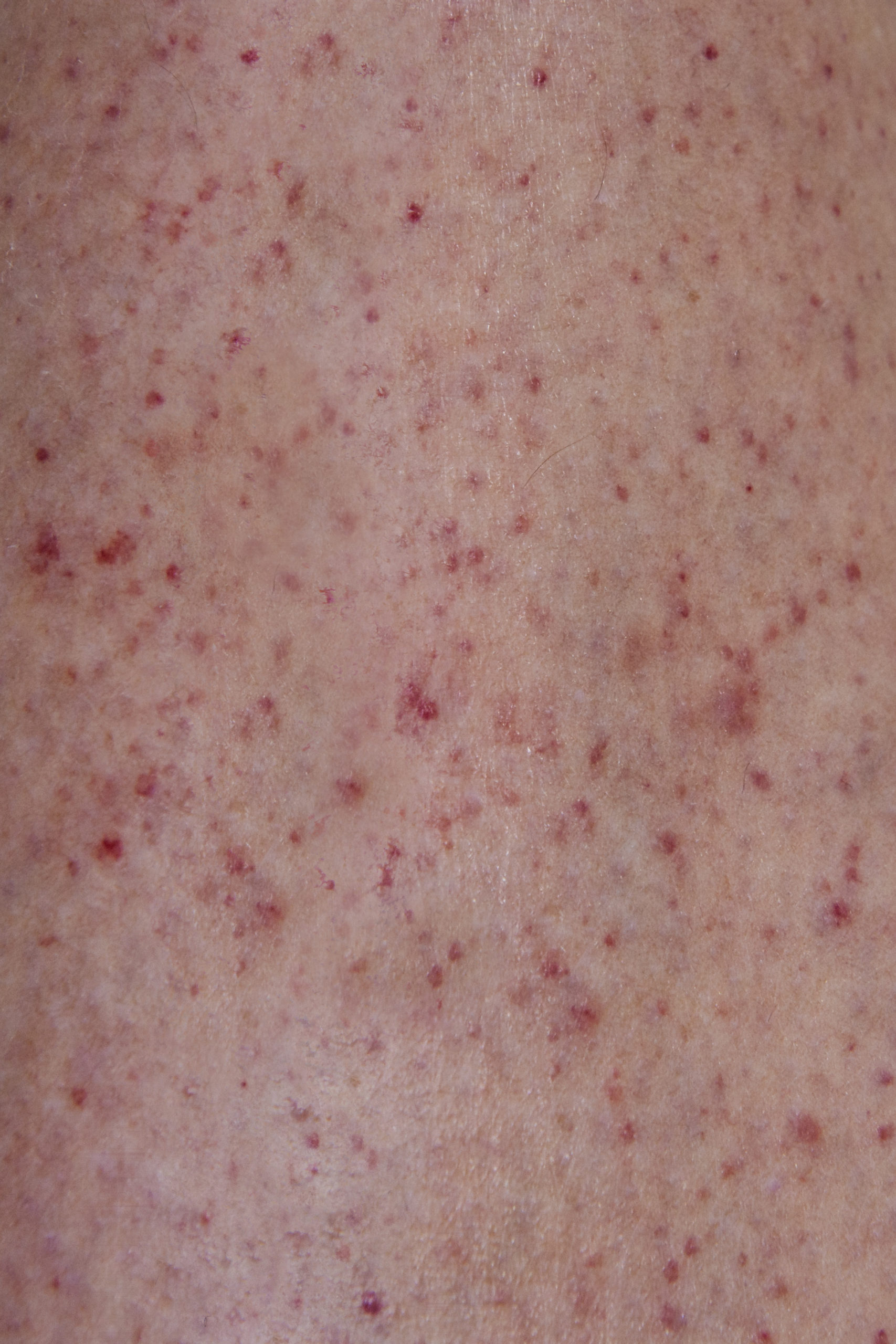
- Symptoms: Rash - A characteristic feature of meningococcal meningitis is a non-blanching rash that appears as small, red-purple dots.
- Prevention: Lifestyle - Avoiding contact with infected individuals, practicing good hygiene, and staying up-to-date with vaccinations contribute to prevention.
Early diagnosis and treatment of meningococcal meningitis are vital to prevent severe complications such as brain damage, hearing loss, and even death. Regular vaccination and adherence to preventive measures are key to mitigating the impact of this potentially devastating disease.
Meningitis: Symptoms, Causes & Treatment - Source community.bulksupplements.com
Meningococcal Meningitis: Causes, Symptoms, And Prevention
Meningococcal meningitis is a bacterial infection of the meninges, the membranes that cover the brain and spinal cord. It is a serious and potentially fatal condition that can cause permanent disability. The bacteria that cause meningococcal meningitis are spread through close contact with an infected person, such as through coughing or sneezing. The bacteria can also be spread through contact with contaminated objects, such as toys or food.
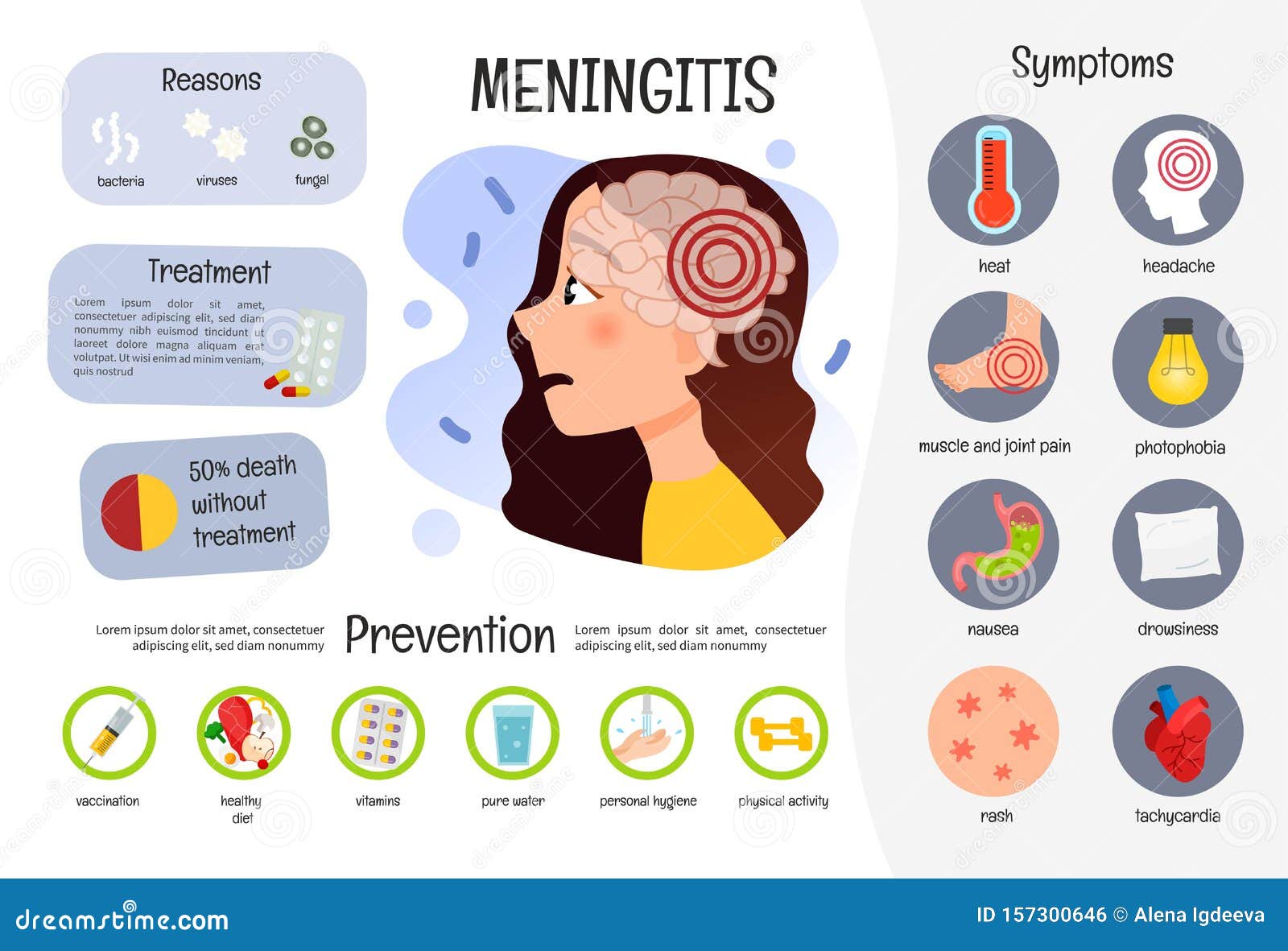
Vector Medical Poster Meningitis. Stock Vector - Illustration of - Source www.dreamstime.com
The symptoms of meningococcal meningitis can vary depending on the age of the person infected. In infants and young children, the symptoms may include fever, headache, vomiting, and irritability. In older children and adults, the symptoms may include fever, headache, stiff neck, nausea, and vomiting. The rash may also be present. If you think that you or someone you know may have meningococcal meningitis, it is important to seek medical attention immediately.
There are a number of things that you can do to prevent meningococcal meningitis. These include:
- Getting vaccinated against meningococcal meningitis
- Avoiding close contact with people who are sick
- Washing your hands frequently
- Not sharing food or drinks with others
- Covering your mouth and nose when you cough or sneeze
Meningococcal meningitis is a serious condition, but it can be prevented. By taking the necessary precautions, you can help to protect yourself and your loved ones from this disease.
| Symptom | Cause | Prevention |
|---|---|---|
| Fever | Infection | Vaccination, antibiotics |
| Headache | Swelling of the brain | Pain relievers, rest |
| Stiff neck | Inflammation of the meninges | Antibiotics, rest |
| Nausea | Infection | Anti-nausea medication, fluids |
| Vomiting | Infection | Anti-nausea medication, fluids |
| Rash | Infection | Antibiotics, rest |
