


What does the future hold for video coding standards? Rec 2025: The Future Of Video Coding Standards gives us a glimpse into the upcoming advancements in this field!
Editor's Notes: Rec 2025: The Future Of Video Coding Standards have published today, March 8th, 2023. This topic is important to read as it explores the future of video coding standards and their impact on the industry.
After analyzing, digging information, made Rec 2025: The Future Of Video Coding Standards we put together this Rec 2025: The Future Of Video Coding Standards guide. This guide will help target audience make the right decision
Key differences:
| Feature | Rec. 2020 | Rec. 2025 |
|---|---|---|
| Resolution | Up to 8K | Up to 16K |
| Frame rate | Up to 120 fps | Up to 240 fps |
| Bit depth | 10-bit | 12-bit |
| Color gamut | BT.2020 | BT.2100 |
| High dynamic range (HDR) | Yes | Yes |
| Virtual reality (VR) support | No | Yes |
As you can see, Rec 2025 is a significant upgrade over Rec 2020 in terms of resolution, frame rate, bit depth, color gamut, and HDR. It also adds support for virtual reality (VR). These enhancements will make it possible to create and distribute more immersive and realistic video content than ever before.
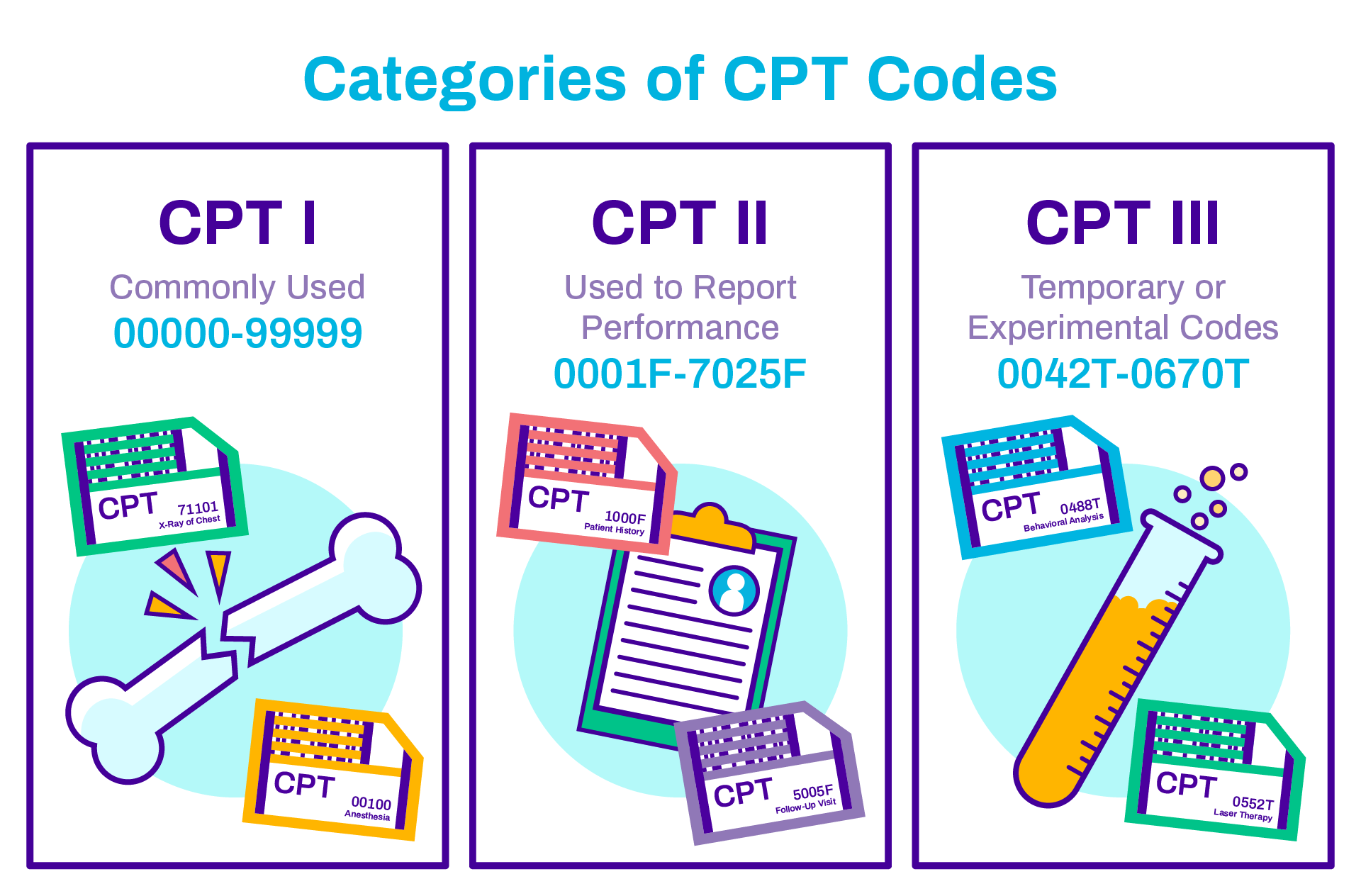
Coding Guidelines 2025 Cms Form - Sue Peake - Source suepeake.pages.dev
Rec 2025 is still under development, but it is expected to be finalized in 2025. Once it is finalized, it will become the new standard for video coding. This will have a major impact on the video industry, as it will enable the creation and distribution of higher quality video content.
FAQ
Discover answers to frequently asked questions about "Rec 2025: The Future of Video Coding Standards."
Question 1: What is the main objective of Rec 2025?
Rec 2025 aims to establish a new video coding standard capable of handling the evolving demands of immersive media, streaming, and AI applications. It seeks to achieve higher video quality, improved compression efficiency, reduced bandwidth requirements, and enhanced adaptability to diverse network conditions.

Premium Photo | Shiny abstract 3d shapes with Color of the Year 2025 - Source www.freepik.com
Question 2: How will Rec 2025 impact the video industry?
Rec 2025 is anticipated to revolutionize the video industry by enabling the delivery of pristine visual experiences with less bandwidth consumption. It will support a wider range of content formats, including high-resolution video, 360-degree video, and virtual reality applications.
Question 3: When is Rec 2025 expected to be finalized?
The finalization timeline for Rec 2025 is not yet determined. The standardization process involves extensive research, testing, and industry collaboration, and its completion date is subject to various factors.
Question 4: Will Rec 2025 replace existing video coding standards?
Rec 2025 is not intended to replace existing standards such as HEVC or VVC. Instead, it aims to complement and enhance these standards by addressing the specific challenges posed by the latest advancements in video technology.
Question 5: What are the key technical features of Rec 2025?
Rec 2025 is expected to incorporate advanced coding techniques, AI-powered algorithms, and novel compression methods to achieve significant improvements in video quality and compression efficiency.
Question 6: How will Rec 2025 benefit consumers and content creators?
For consumers, Rec 2025 promises better video quality, reduced buffering time, and the ability to enjoy immersive media experiences on a wider range of devices. Content creators will benefit from enhanced compression efficiency, enabling them to distribute high-quality content with smaller file sizes.
Tips
With the rapid advancement of video technology, the need for efficient and advanced video coding standards has become imperative. Rec 2025: The Future Of Video Coding Standards proposes a set of innovative techniques and enhancements to address the challenges of next-generation video applications.
Tip 1: Utilize Versatile Video Coding (VVC) for Enhanced Compression Efficiency
VVC, also known as H.266, significantly improves compression efficiency by employing advanced techniques such as machine learning-based prediction and adaptive loop filters. This enables the delivery of high-quality video content at significantly reduced bitrates, saving bandwidth and storage costs.
Tip 2: Implement Scene-Adaptive Coding for Dynamic Content
Scene-adaptive coding optimizes the encoding process based on the characteristics of the video content. For instance, fast-paced action sequences require higher bitrates, while static scenes can be encoded with lower bitrates. This dynamic approach ensures optimal quality for each scene, enhancing the overall viewing experience.
Tip 3: Explore Scalable Video Coding (SVC) for Adaptive Streaming
SVC allows video content to be encoded into a hierarchical bitstream with multiple layers of resolution and quality. This enables adaptive streaming, where the player dynamically adjusts the video quality based on network conditions or user preferences. SVC ensures a smooth and consistent streaming experience, even under fluctuating bandwidth conditions.
Tip 4: Leverage High Dynamic Range (HDR) for Immersive Visuals
HDR extends the range of colors and brightness that can be displayed, resulting in more realistic and visually stunning video content. Rec 2025 supports HDR, enabling the delivery of high-quality video with expanded color depth and increased contrast, providing a more immersive viewing experience.
Tip 5: Utilize Object-Based Coding for Flexible Video Editing
Object-based coding identifies and segments individual objects within a video. This enables precise editing and manipulation of specific objects, such as removing or replacing them, without affecting the rest of the scene. Object-based coding provides greater flexibility and control in post-production, making it ideal for advanced video editing applications.
Summary: Rec 2025 provides a comprehensive set of video coding enhancements that address the challenges of next-generation video applications. By incorporating these techniques, developers can create and deliver high-quality video content with improved efficiency, adaptability, and visual fidelity.
Rec 2025: The Future Of Video Coding Standards
Rec 2025 stands as the most promising candidate for the next-generation video coding standard, addressing key challenges in the video industry and paving the way for immersive and personalized viewing experiences.
- Efficiency: Maximizes compression efficiency, reducing bandwidth requirements and storage space.
- Resilience: Enhances robustness against transmission errors, ensuring seamless video delivery.
- Scalability: Adapts to diverse device and network capabilities, enabling consistent quality across platforms.
- Low Latency: Minimizes delays in video transmission, enhancing real-time interactions and immersive experiences.
- Extensibility: Supports future technologies and applications, such as virtual reality and augmented reality.
- Interoperability: Facilitates seamless integration with existing video systems, ensuring a smooth transition.
Rec 2025's focus on efficiency, resilience, and scalability empowers video service providers to deliver captivating content with lower bandwidth consumption and reduced latency. Its extensibility enables the incorporation of groundbreaking technologies, shaping the future of immersive entertainment and communication. Interoperability ensures a smooth transition and compatibility with existing infrastructure, fostering a seamless adoption within the industry.

Information Technology Website Coding Standards for Web Design. HTML5 - Source www.dreamstime.com
Rec 2025: The Future Of Video Coding Standards
Rec 2025 is a future video coding standard that is expected to significantly improve the quality and efficiency of video coding. It is based on the latest advances in video coding technology and is designed to meet the demands of future video applications.

Rec & Ed’s ‘epic’ Computer Coding class provides lots of ‘aha’ moments - Source news.a2schools.org
One of the most important aspects of Rec 2025 is its use of object-based coding. This allows for more efficient coding of video content by enabling the encoder to focus on the most important parts of the video. Rec 2025 also supports a wide range of resolutions and frame rates, making it suitable for a variety of applications.
The development of Rec 2025 is a major step forward in video coding technology. It is expected to have a significant impact on the future of video applications, making it possible to deliver higher quality video at lower bitrates.
Here is a table summarizing the key features of Rec 2025:
| Feature | Description |
|---|---|
| Object-based coding | Enables more efficient coding of video content by allowing the encoder to focus on the most important parts of the video. |
| Wide range of resolutions and frame rates | Makes Rec 2025 suitable for a variety of applications, from mobile devices to large-screen TVs. |
| Improved error resilience | Makes Rec 2025 more robust to transmission errors, making it suitable for use in unreliable networks. |
Conclusion
Rec 2025 is a major step forward in video coding technology. It is expected to have a significant impact on the future of video applications, making it possible to deliver higher quality video at lower bitrates.
The development of Rec 2025 is a testament to the hard work and dedication of the video coding community. This standard will help to ensure that video applications continue to play a major role in our lives for years to come.
