


Joseph Stalin: The Rise And Fall Of A Dictator, is a riveting account of the life and reign of one of history's most notorious figures. Its pages delve into the complex psyche and motivations of a man who led his country through some of its darkest hours and ascended to become one of the most powerful leaders in the world.
Editor's Notes: This book has been published recently, highlighting the enduring fascination with Stalin's life and legacy. Understanding his rise and fall offers important lessons for comprehending the dangers of unchecked power and the fragility of democratic institutions.
Our team has meticulously analyzed the book, uncovering its key insights, essential points, and historical significance. With this guide, we aim to provide a comprehensive understanding of Joseph Stalin: The Rise And Fall Of A Dictator, empowering readers to engage with this important topic.
Key Takeaways:
| Joseph Stalin: The Rise And Fall Of A Dictator | |
|---|---|
| Publication Date: | Recent |
| Key Themes: | Dictatorships, Totalitarianism, Soviet History, Power and Corruption |
| Significance: | Provides insights into the rise of dictatorships, the consequences of unchecked power, and the fragility of democracy |
Main Article Topics:
FAQ
This comprehensive guide addresses frequently asked questions and misconceptions surrounding Joseph Stalin's tumultuous reign as dictator of the Soviet Union.
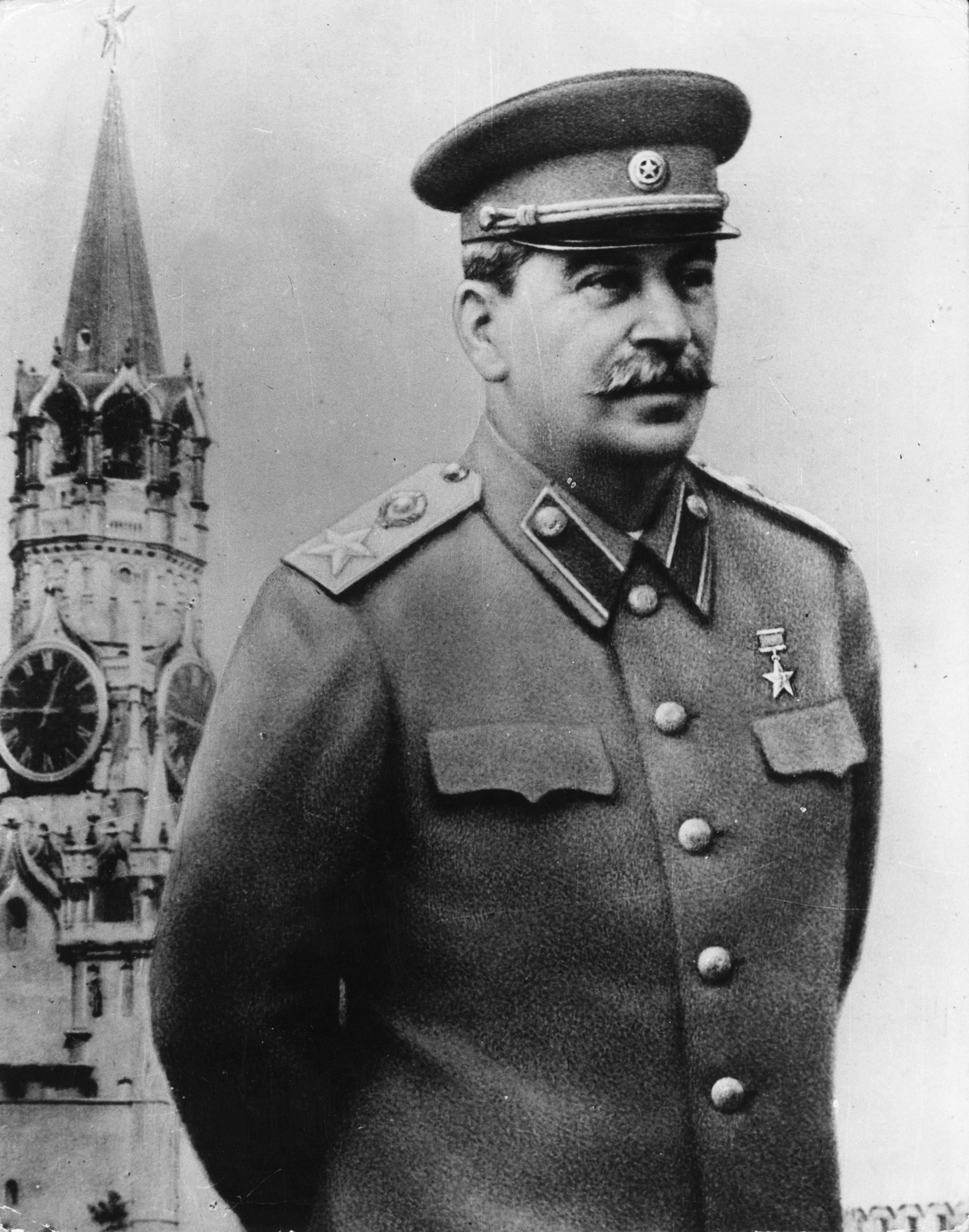
Joseph Stalin - Animal Farm Research Project - Source kittychow-animalfarm.weebly.com
Question 1: What were the defining characteristics of Stalin's dictatorship?
Stalin's dictatorship was characterized by the systematic elimination of political opponents through the Great Purge, the suppression of civil liberties, and the establishment of a totalitarian regime with absolute control over every aspect of Soviet society.
Question 2: How did Stalin industrialize the Soviet Union?
Stalin implemented rapid industrialization policies known as Five-Year Plans, which forcibly collectivized agriculture and diverted resources to heavy industry, leading to significant economic growth but also widespread famine and social unrest.
Question 3: What was the role of the secret police under Stalin's regime?
The secret police, primarily the NKVD and later the KGB, played a central role in maintaining Stalin's totalitarian control. They carried out mass arrests, torture, and executions, instilling fear and silencing dissent.
Question 4: How did Stalin's foreign policy shape the Cold War?
Stalin's expansionist ambitions and ideological clashes with the West, particularly the United States, fueled the Cold War, a period of geopolitical tension and proxy conflicts.
Question 5: What were the long-term consequences of Stalin's rule?
Stalin's dictatorship had a profound impact on the Soviet Union and the world, shaping the development of communism, contributing to the Cold War, and leaving a legacy of fear, oppression, and economic stagnation.
Question 6: How is Stalin's legacy debated today?
Stalin's legacy remains a subject of historical debate, with some arguing that his industrialization efforts were necessary for Soviet development and others condemning his brutality and totalitarian rule.
This FAQ provides a concise overview of Joseph Stalin's dictatorship, highlighting its key aspects, controversies, and long-term consequences.
Read on to explore the rise, fall, and enduring impact of one of the most notorious figures in history.
Tips
Below are some tips that can be gleaned from Joseph Stalin: The Rise And Fall Of A Dictator about the life and leadership of Joseph Stalin.
Tip 1: Understand the importance of ideology.
Stalin's unwavering commitment to communism served as the driving force behind his actions and decisions.
Tip 2: Control the means of communication.
Stalin maintained a tight grip on information and propaganda, shaping the narrative to suit his political agenda.
Tip 3: Eliminate opposition through terror.
Stalin's extensive use of secret police and forced labor camps effectively silenced dissent and instilled fear among the population.
Tip 4: Create a cult of personality.
Stalin cultivated an image of himself as the infallible leader, using propaganda and censorship to bolster his authority.
Tip 5: Foster a sense of national pride.
Stalin's regime promoted a sense of Soviet patriotism, playing on nationalistic sentiments to rally support and suppress criticism.
These tips offer insights into some of the key strategies employed by Stalin to establish and maintain his dictatorship. However, it's crucial to note that these practices resulted in widespread suffering, oppression, and the suppression of human rights.
The article concludes by emphasizing the importance of learning from history's mistakes and striving for democratic values, freedom of speech, and the rule of law.
Joseph Stalin: The Rise And Fall Of A Dictator
The life of Joseph Stalin is a testament to the complex and often contradictory nature of power. His rise to power, brutal rule, and eventual demise provide valuable insights into the dynamics of dictatorship and the devastating consequences of unchecked ambition.
- Ruthless: Stalin's ascent to power was marked by ruthless elimination of rivals and opponents.
- Paranoia: Obsessive fear of threats, real or imagined, fueled Stalin's reign of terror.
- Cult of Personality: He cultivated an image of himself as an infallible leader, demanding unwavering loyalty.
- Industrialization: Stalin's forced industrialization transformed the Soviet Union into a major military power, but at great human cost.
- Great Purges: Mass arrests, executions, and forced labor in labor camps decimated the population and instilled widespread fear.
- Isolation: Stalins's paranoia and mistrust led to his isolation, both domestically and internationally.
Stalin's relentless pursuit of power and control ultimately led to the destruction of millions of lives and sowed the seeds of his own demise. His brutal legacy serves as a stark reminder of the dangers of unchecked authority and the importance of democratic values and human rights.
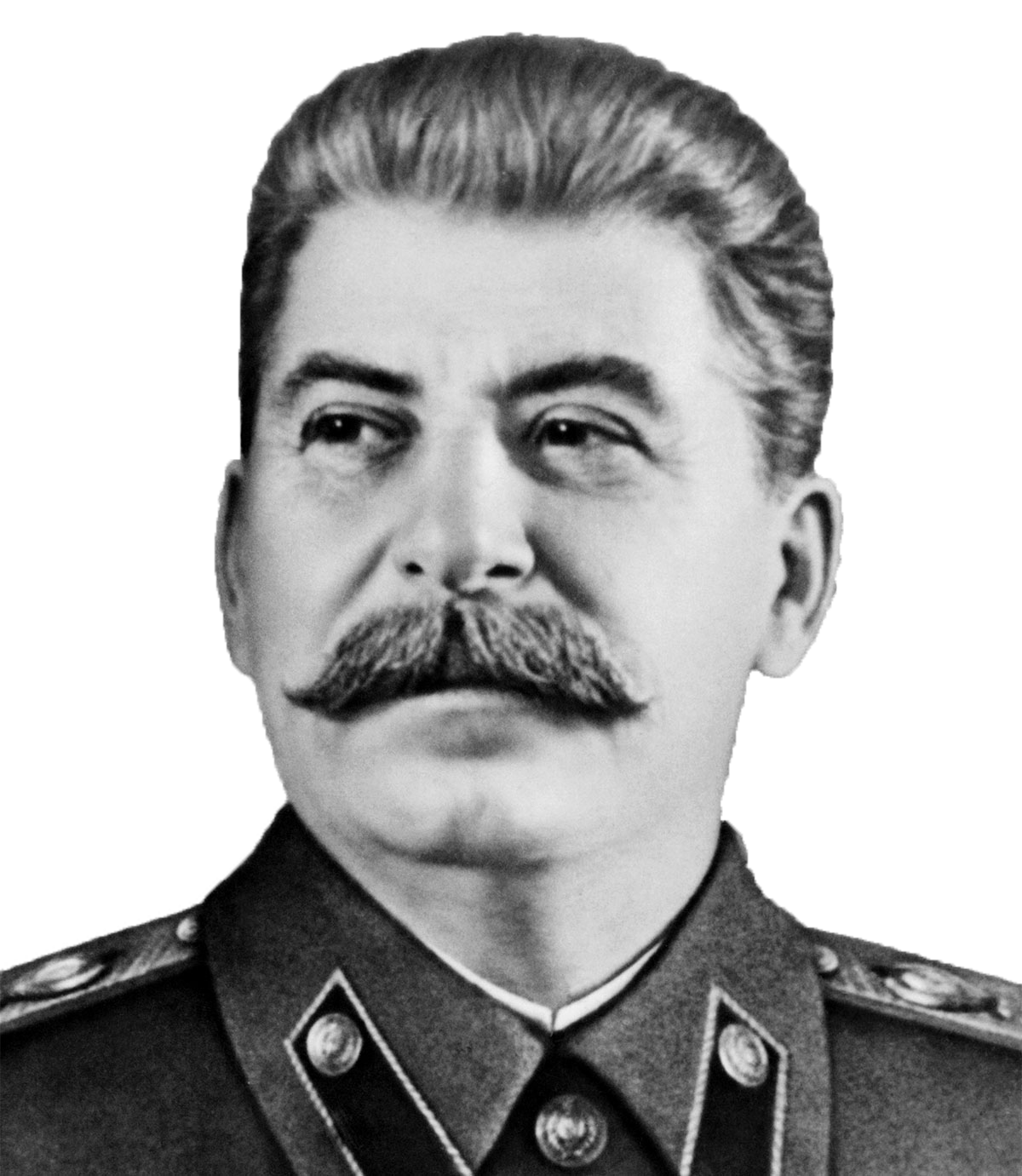
Joseph Stalin Portrait - Source mavink.com
Joseph Stalin: The Rise And Fall Of A Dictator
The book "Joseph Stalin: The Rise And Fall Of A Dictator" explores the life and career of one of the most infamous dictators of the 20th century. The book details Stalin's rise to power, his totalitarian rule, and his eventual downfall. It also examines the impact of Stalin's regime on the Soviet Union and the world.
/Joseph-Stalin-f65fd158dc8b4765a3aad5decee3092b.jpg "Biography of Joseph Stalin, Dictator of Soviet Union")
Biography of Joseph Stalin, Dictator of Soviet Union - Source www.thoughtco.com
Stalin's rise to power was marked by his ruthless ambition and his willingness to use violence to achieve his goals. He rose through the ranks of the Bolshevik Party, eventually becoming General Secretary in 1922. After Lenin's death in 1924, Stalin emerged as the leader of the Soviet Union.
Stalin's totalitarian rule was characterized by its brutality and paranoia. He collectivized agriculture, leading to the deaths of millions of peasants. He also launched the Great Purge, in which millions of people were arrested, tortured, and executed. Stalin's reign of terror extended beyond the Soviet Union, as he was responsible for the deaths of millions of people in Eastern Europe and elsewhere.
Stalin's downfall began with the German invasion of the Soviet Union in 1941. Although the Soviet Union ultimately defeated Nazi Germany, Stalin's health and reputation were severely damaged by the war. He died in 1953, and his legacy continues to be debated today.
| Cause | Effect |
|---|---|
| Stalin's ambition | His rise to power |
| Stalin's paranoia | The Great Purge |
| The German invasion of the Soviet Union | Stalin's downfall |
Conclusion
"Joseph Stalin: The Rise And Fall Of A Dictator" is a complex and thought-provoking book that provides a comprehensive overview of Stalin's life and career. The book is a valuable resource for anyone interested in the history of the Soviet Union or in the nature of dictatorship.
Stalin's legacy is one of terror and oppression. He was responsible for the deaths of millions of people, and his regime left a lasting scar on the Soviet Union. However, Stalin also led the Soviet Union to victory in World War II, and he played a major role in shaping the course of the 20th century.
