


Quetiapine, an evidence-based psychotropic drug, can't be a stand-alone article or guide due to its complex nature. To ensure accurateness and clarity, refer to the publication, "Quetiapine: Comprehensive Guide To Mechanism Of Action, Side Effects, And Clinical Use".
Editor's Notes: "Quetiapine: Comprehensive Guide To Mechanism Of Action, Side Effects, And Clinical Use" have published on date. We understand the significance of this topic and have conducted extensive research and analysis to present you with this informative guide. Our goal is to provide clarity and empower you to make informed decisions regarding quetiapine.
We've analyzed and digested the key information from various sources to create this comprehensive guide on quetiapine. It covers various aspects of quetiapine, including its mechanism of action, side effects, and clinical uses.
Key Differences or Key Takeaways
We present key information in a clear and concise tabular format for your convenience:
| Mechanism of Action | Side Effects | Clinical Uses |
|
Antagonist at several neurotransmitter receptors, including serotonin (5-HT2), dopamine (D1, D2), histamine (H1), and adrenergic (α1, α2) receptors |
Drowsiness, dizziness, dry mouth, nausea, constipation, orthostatic hypotension | Schizophrenia, bipolar disorder |
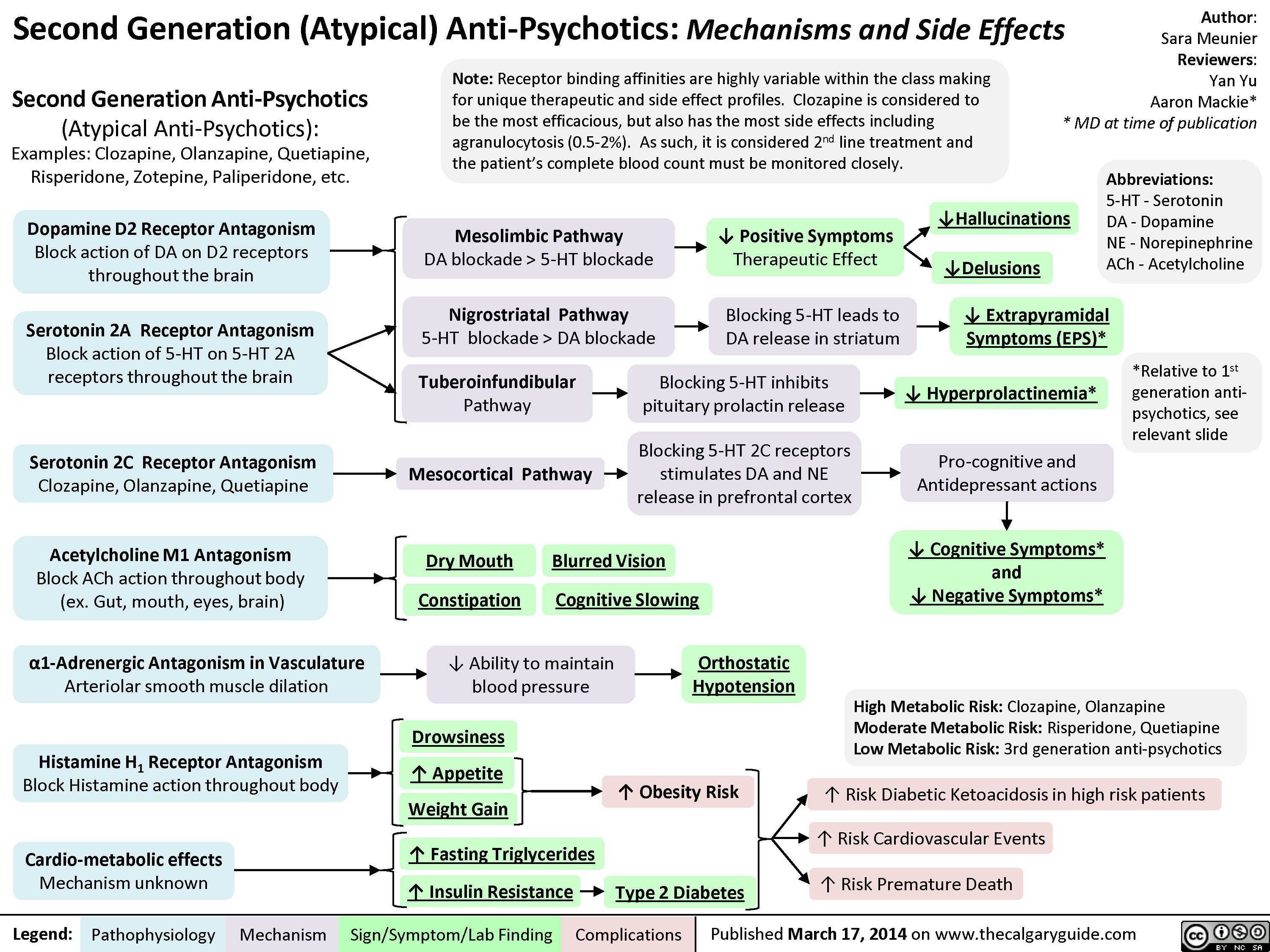
Transition to Main Article Topics
FAQ
This FAQ section provides comprehensive answers to commonly asked questions regarding Quetiapine, its mechanism of action, potential side effects, and clinical applications. The information provided here aims to enhance understanding and facilitate informed discussions about this important medication.
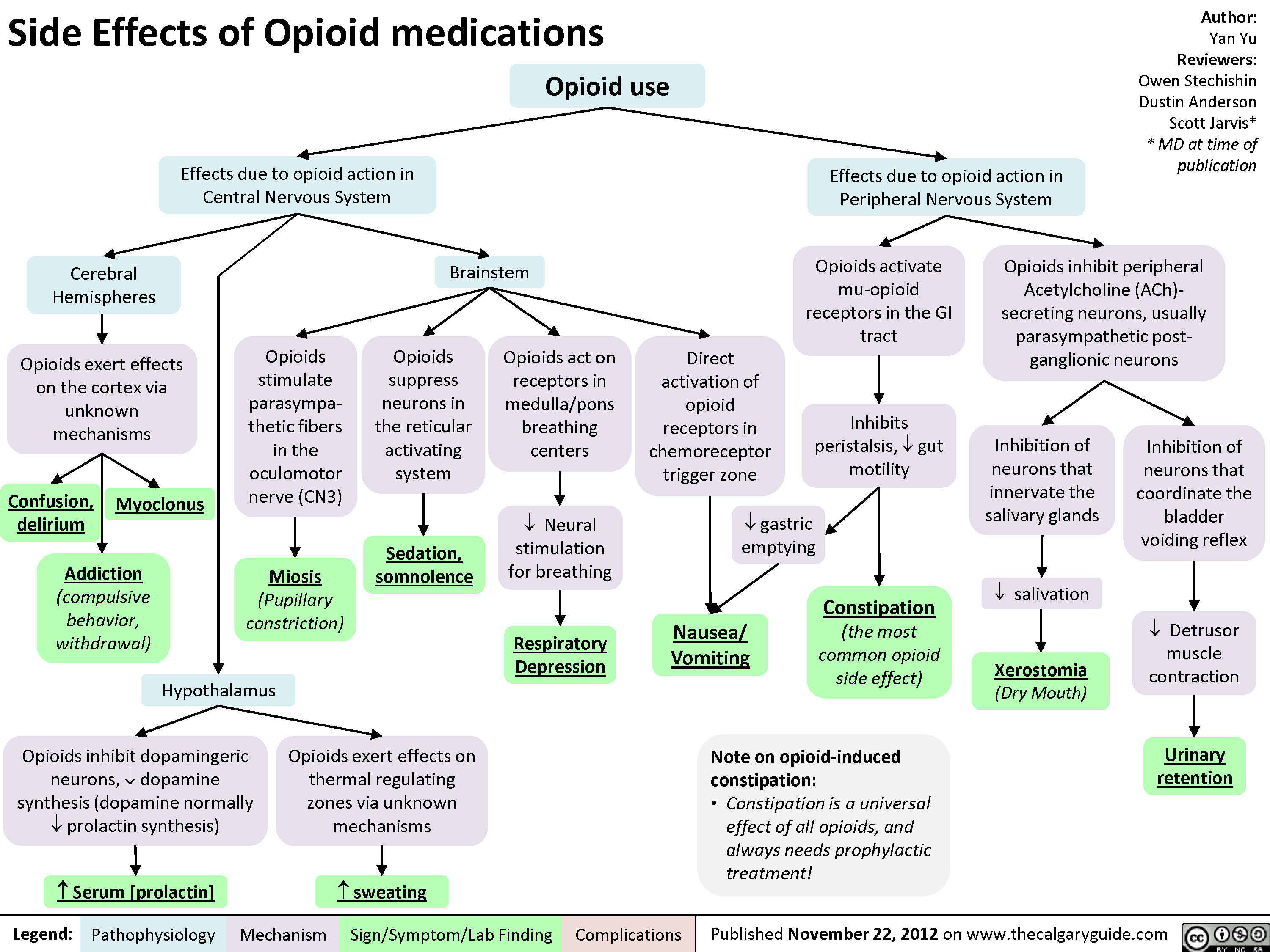
Side Effects of Opioid Medications | Calgary Guide - Source calgaryguide.ucalgary.ca
Question 1: What is the mechanism of action of Quetiapine?
Question 2: What are the common side effects associated with Quetiapine use?
Question 3: Is Quetiapine effective in treating which conditions?
Question 4: What are the precautions and contraindications to consider before using Quetiapine?
Question 5: How should Quetiapine be administered, and what are the recommended dosages?
Question 6: What are the potential interactions between Quetiapine and other medications or substances?
Remember that this FAQ section serves as a general guide only. It is crucial to consult with a qualified healthcare professional for personalized advice and guidance regarding Quetiapine use, potential risks, and benefits.
Transitioning to the next article section: Exploring the Clinical Significance of Quetiapine in Psychiatry
Tips
Quetiapine is an atypical antipsychotic medication commonly used to treat schizophrenia and bipolar disorder. Understanding its mechanism of action, potential side effects, and clinical uses is crucial for safe and effective patient care.
Tip 1: Mechanism of Action
Quetiapine exerts its antipsychotic effects primarily by blocking serotonin (5-HT2) and dopamine (D2) receptors in the brain. This action reduces dopaminergic and serotonergic activity, which is believed to contribute to the symptoms of schizophrenia and bipolar disorder. Quetiapine: Comprehensive Guide To Mechanism Of Action, Side Effects, And Clinical Use
Tip 2: Side Effects
The most common side effects of quetiapine include drowsiness, dizziness, orthostatic hypotension, and weight gain. Less frequent but more severe side effects, such as tardive dyskinesia, neuroleptic malignant syndrome, and agranulocytosis, should be monitored closely.
Tip 3: Clinical Use
Quetiapine is primarily used in the treatment of schizophrenia, bipolar disorder, and other psychotic conditions. It is effective in reducing both positive (e.g., hallucinations, delusions) and negative (e.g., social withdrawal, apathy) symptoms of schizophrenia. In bipolar disorder, quetiapine can be used to treat both manic and depressive episodes.
Tip 4: Dosing
Quetiapine dosage is individualized based on patient response and tolerability. It is typically initiated at a low dose and gradually increased until the optimal therapeutic effect is achieved. The recommended starting dose for schizophrenia is 25-50 mg/day, while for bipolar disorder, it is 50-150 mg/day.
Tip 5: Monitoring
Close monitoring is essential during quetiapine treatment. This includes regular blood tests to check for potential side effects such as agranulocytosis and hepatotoxicity. Monitoring for extrapyramidal symptoms, such as tardive dyskinesia, is also crucial.
Summary
Quetiapine is a valuable medication in the management of schizophrenia and bipolar disorder. By understanding its mechanism of action, side effects, and clinical uses, healthcare providers can optimize its use to improve patient outcomes.
Quetiapine: Comprehensive Guide To Mechanism Of Action, Side Effects, And Clinical Use
Quetiapine is an atypical antipsychotic medication primarily used to treat schizophrenia, bipolar disorder, and depression. Its mechanism of action, side effects, and clinical use are crucial considerations for healthcare professionals and individuals using this medication.
- Mechanism of Action: Antagonist at serotonin and dopamine receptors.
- Side Effects: Somnolence, orthostatic hypotension, weight gain.
- Clinical Use: Short-term and maintenance treatment of schizophrenia and bipolar disorder.
- Dosage: Varies based on indication and individual response.
- Contraindications: Known hypersensitivity.
- Drug Interactions: CYP3A4 inhibitors can increase quetiapine levels.
These key aspects provide a comprehensive overview of quetiapine, enabling informed decision-making for its use. Understanding its mechanism of action helps predict its effects and potential drug interactions. Side effect profiles guide appropriate patient monitoring and management. The clinical use of quetiapine emphasizes its efficacy in various psychiatric disorders. By considering these aspects, healthcare professionals can optimize its use and improve patient outcomes.

Pms-Quetiapine Mechanism of Action | MIMS Hong Kong - Source www.mims.com
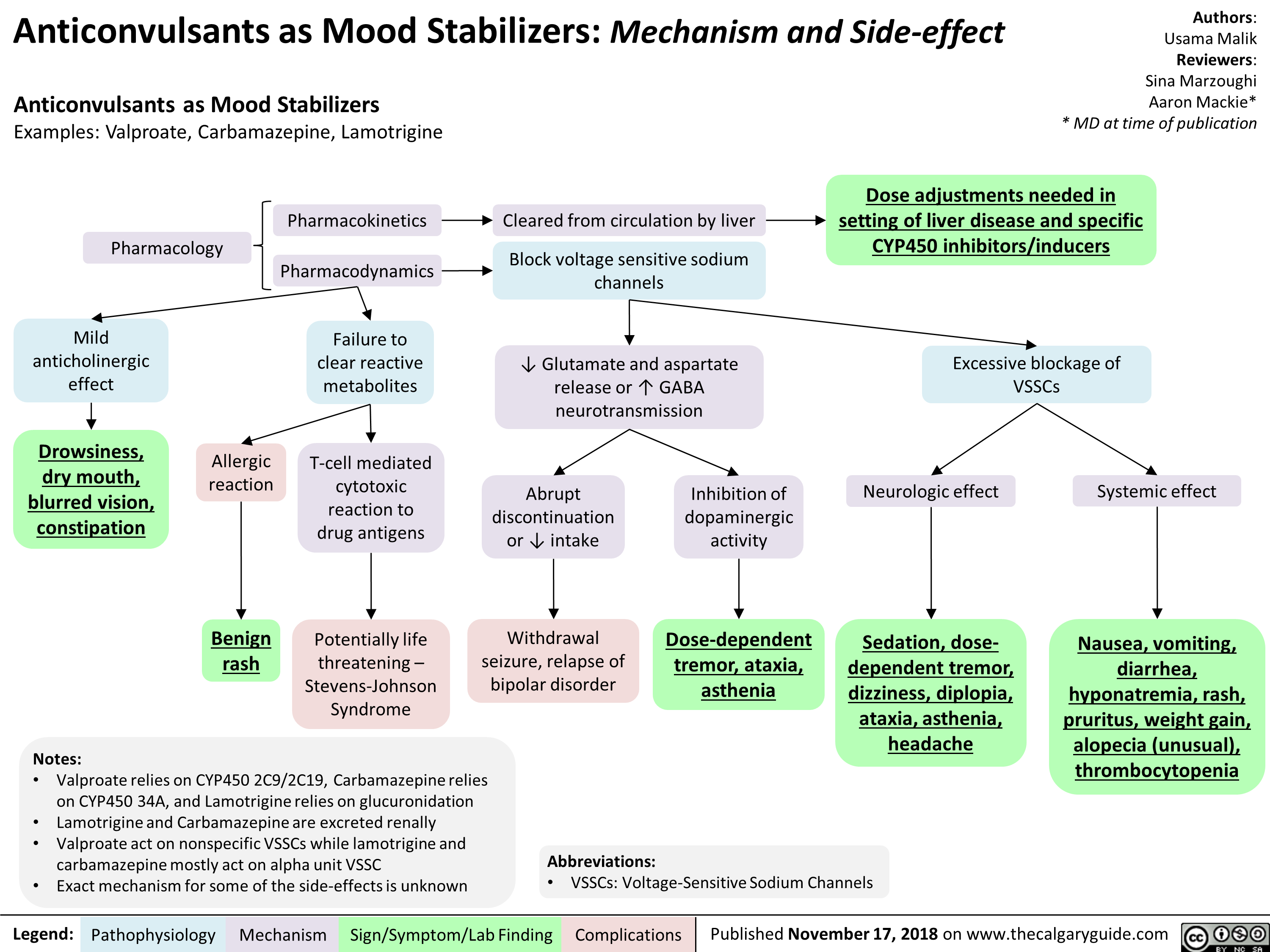
Anticonvulsants as Mood Stabilizers: Mechanism and Side-effect - Source calgaryguide.ucalgary.ca
Quetiapine: Comprehensive Guide To Mechanism Of Action, Side Effects, And Clinical Use
Quetiapine is an atypical antipsychotic medication used to treat schizophrenia, bipolar disorder, and major depressive disorder. It works by blocking the effects of dopamine and serotonin in the brain. This can help to reduce symptoms such as hallucinations, delusions, and mania. Quetiapine is also effective in treating depression and anxiety.

NSAIDs and the Kidney: Mechanism of Action and Side Effects | Calgary Guide - Source calgaryguide.ucalgary.ca
The most common side effects of quetiapine include drowsiness, dizziness, and nausea. These side effects are usually mild and go away after a few days or weeks. However, quetiapine can also cause more serious side effects, such as tardive dyskinesia, neuroleptic malignant syndrome, and seizures. These side effects are rare, but they can be life-threatening.
Quetiapine is a safe and effective medication for treating schizophrenia, bipolar disorder, and major depressive disorder. However, it is important to be aware of the potential side effects before taking this medication.
Conclusion
Quetiapine is a safe and effective medication for treating schizophrenia, bipolar disorder, and major depressive disorder. However, it is important to be aware of the potential side effects before taking this medication.
If you are considering taking quetiapine, talk to your doctor about the risks and benefits of this medication.
